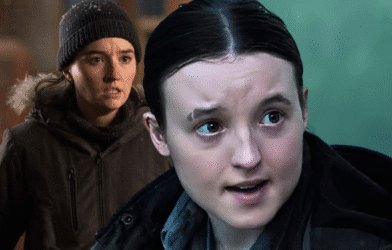


The Last of Us Season 3 Takes an Unexpected Break
Just when fans thought The Last of Us season 3 was in full swing, production has ground to a halt—at least temporarily. The HBO series, which has become a cultural phenomenon since its 2022 debut, is entering a scheduled hiatus from June 1 through June 28. While the exact reasoning remains murky, the timing suggests logistical rather than creative concerns are driving the pause.
Filming actually kicked off on March 2, with the full production cycle expected to wrap on November 27. That means the show is nearly halfway through principal photography when this four-week break arrives. For a series of this scale—with complex set pieces, location shooting, and a sprawling cast—mid-production pauses aren’t unheard of, but they’re worth paying attention to.
Where Production Is Happening
The Last of Us continues to be shot in Vancouver, British Columbia, operating under the production pseudonym “Calm Current” according to official BC film registry records. This isn’t a surprise; the city has become synonymous with the show’s gritty post-apocalyptic aesthetic, and its proven infrastructure keeps costs manageable for a prestige HBO production.
The confirmed timeline gives us a clearer picture of the production schedule than ever before. With six months of filming planned total, showrunners have structured the schedule to accommodate what could be demanding location work across multiple Vancouver neighborhoods standing in for infected-ravaged Seattle.
Why Abby’s Story Is the Real Game-Changer

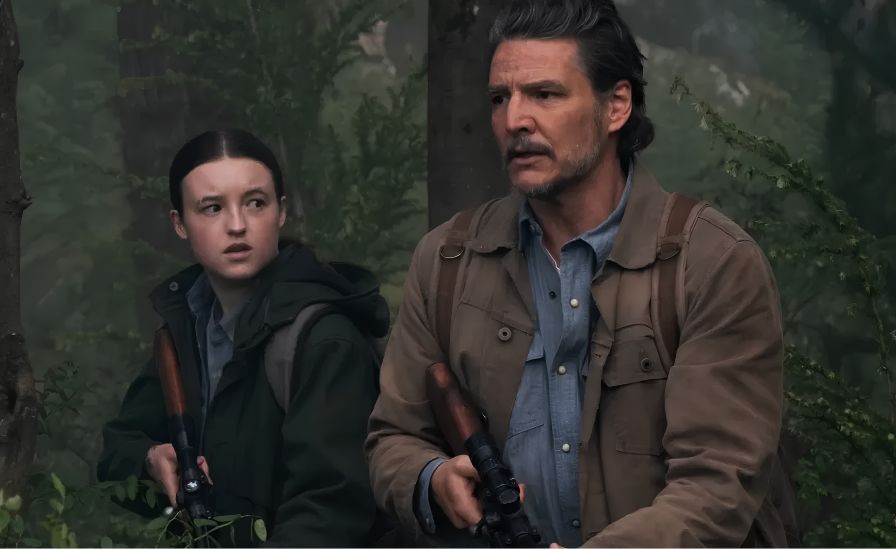
If you’ve played the video game sequel or read spoilers, you know what’s coming: season 3 will shift its narrative focus to Abby, the character played by Kaitlyn Dever. This is monumental. After two seasons following Ellie’s (Bella Ramsey) and Joel’s (Pedro Pascal) perspectives, the show is finally diving into the person they’ve collided with—and the reasons behind her quest for vengeance.
The upcoming season will chronicle a three-day journey through Seattle from Abby’s point of view. We’ll see her backstory unfold, explore the trauma of her father’s death and her motivation to seek revenge, and understand how her path intersected with Ellie and Joel. This perspective shift is essential to what made the game’s narrative so controversial and compelling in equal measure.
More importantly, season 3 promises to dig deeper into the territorial war between the Washington Liberation Front (WLF) and the Seraphites. These aren’t just background factions in the game—they represent competing ideologies in a fractured world. The show has a chance to flesh out this conflict in ways that even the source material didn’t fully explore.
The Cast Expanding into Seattle’s Underworld
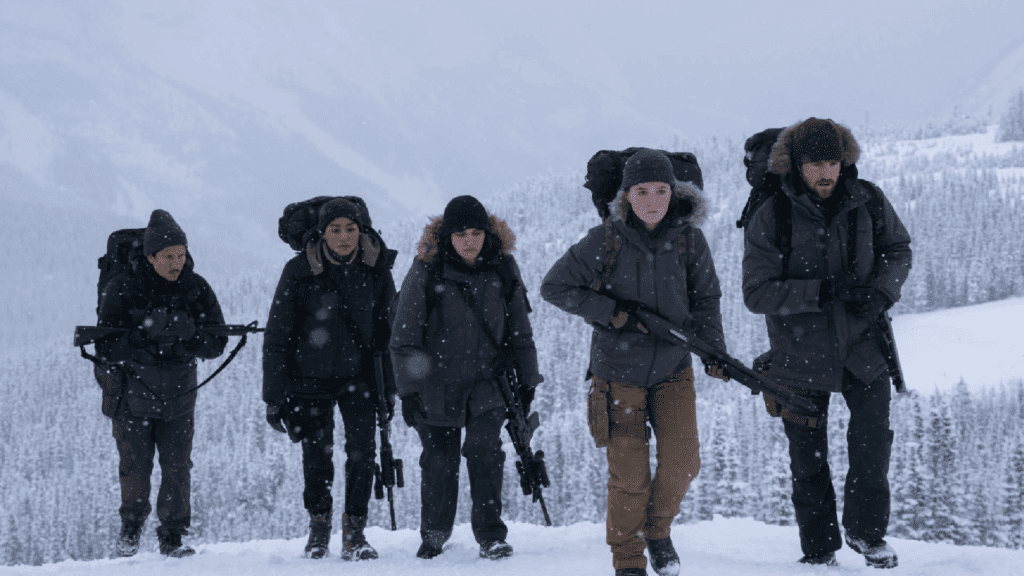
Behind-the-scenes photos already show Abby and Lev (Kyriana Kratter) navigating Seattle’s ruined streets, both armed and ready for conflict. Lev, a transgender teenage boy and member of the Seraphites, becomes crucial to Abby’s journey. The addition of Lev’s sister Yara (Michelle Mao) rounds out this new core dynamic.
The Seraphites themselves are fascinating antagonists—a cult-like faction built on religious extremism and brutal control. Watching how the show portrays this group, and more importantly, how Lev exists within it as a transgender character, will be one of season 3’s most compelling threads. The game handled this with nuance; the show has the opportunity to expand that even further.
The Shadow of Season 2’s Divisive Reception
There’s an elephant in the room that can’t be ignored: season 2 nearly tore the fanbase apart. While critics showered it with praise (92% on Rotten Tomatoes), audiences told a completely different story. With over 5,000 reviews tallied, the audience score plummeted to 37%—a staggering gap that revealed deep fractures in how the show was being received.
Fans criticized the season as “a massive step down from the first,” with many claiming it wasn’t worth their time. This wasn’t a minor disagreement; it was a fundamental rejection of the creative direction. Season 1’s near-perfect 96% critical rating had created massive expectations, and season 2’s narrative choices—which aligned with the game’s story—felt like a betrayal to viewers who wanted something different.
This context matters enormously as we approach season 3. The show’s creative team knows the fanbase is fractured. Shifting to Abby’s perspective is either going to deepen that divide or potentially heal it. There’s no middle ground here.
Our Take: A Risky But Necessary Move
Focusing an entire season on Abby is genuinely bold. Most shows would hedge their bets after a divisive season, softening the edges and giving audiences what they thought they wanted. The Last of Us is doubling down on the game’s narrative complexity instead. That takes conviction—or desperation. Possibly both.
The question isn’t whether season 3 will be good; it’s whether audiences will accept the premise at all. You can’t force empathy for a character fans have already rejected. The showrunners will need to make a compelling case for why Abby’s story matters, why her perspective changes everything we thought we knew.
If they pull it off, season 3 could become the show’s defining moment. If they don’t, it could be the point where The Last of Us lost its audience permanently.
What’s Ahead for HBO’s Post-Apocalyptic Epic
With filming expected to conclude by late November, post-production will likely take us well into 2025 before season 3 arrives. That’s a long wait, but it also gives the show’s editors, composers, and effects teams the breathing room to execute the ambitious vision at hand.
The franchise itself has proven its staying power. The original 2013 video game remains a masterpiece; the 2022 remake demonstrated that the IP still resonates; and the HBO series has become one of the network’s marquee properties despite its recent turbulence. Season 3 needs to remind audiences why they fell in love with this world in the first place.
For now, the June hiatus is just a pause. But it’s also a moment for the creative team to recalibrate, and for audiences to brace themselves for what’s coming. Abby’s story is about to redefine The Last of Us on television—for better or worse.