


The Vampire Lestat Takes the Stage: Season 3’s Daring Narrative Flip
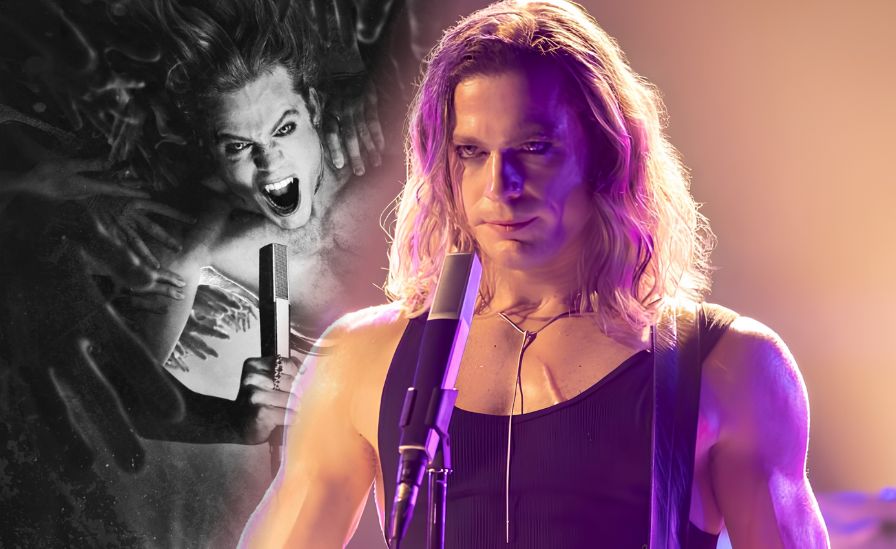
There’s a moment early in the premiere of The Vampire Lestat when you realize AMC’s vampire saga has just executed one of the most audacious creative pivots in recent prestige television. Gone is the restrained, melancholic voice of Jacob Anderson’s Louis, guiding us through the shadows with philosophical precision. In his place: Sam Reid’s Lestat—theatrical, volatile, and absolutely unhinged—commanding the narrative like a rock star commandeering a stage he was never technically supposed to own.
Season 3 doesn’t just rename itself after Anne Rice’s 1985 sequel novel; it fundamentally restructures how we experience this vampire universe. Showrunner Rolin Jones has made the shrewd decision to let Lestat be Lestat—which means accepting that his version of events will be as distorted, performative, and self-serving as his actual existence. It’s a risky move that could have felt gimmicky. Instead, it lands as genuinely brilliant.
Detroit: A Descent Into Lestat’s Fractured Psyche
The premiere, written by Jones and Hannah Moscovitch and directed by Craig Zisk, opens with Lestat’s rock band mid-performance. This isn’t your grandmother’s vampire narrative anymore. There’s no somber castle, no colonial New Orleans. There’s a stage, a crowd, and a creature desperate to be worshipped. When rival vampires in the audience—Tim and Rus—heckle him telepathically, Lestat’s response is pure scorched earth. He feeds on the moment, feeds on the attention, and feeds on the vulnerability of those around him.
What makes this work is the show’s willingness to embrace chaos without losing psychological depth. As Lestat moves through his daily absurdities—managing a body double named Jarda to maintain his human facade, fielding attacks on his character from Daniel Molloy’s bestselling book, desperately trying to convince the world his vampire band isn’t a marketing stunt—we see a creature in genuine crisis. He’s not mourning. He’s spiraling.
The Daniel Molloy Interview Arc Begins
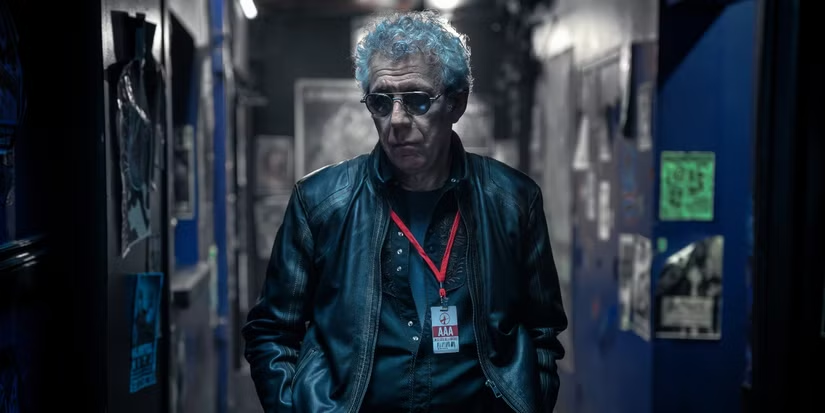
Eric Bogosian returns as Daniel, the mortal journalist whose original interview launched Louis into literary celebrity and, unintentionally, made Lestat a laughingstock. Now Lestat is hiring him. It’s a stunning reversal that speaks volumes about Lestat’s narcissism and desperation. He needs his story told, his perspective centered, his lies codified. The interview scenes crackle with tension—two damaged egos circling each other, neither willing to concede an inch.
Lestat’s complaint about being portrayed as “a mayonnaise villain with sociopathic tendencies” is both pathetic and oddly endearing. He corrects a fan’s book with a single word: “Lies.” It matters to him. That vulnerability beneath the bravado is what keeps Reid’s performance from becoming mere camp.
The Concert: When Lestat’s Masks Crack
The live performance where Lestat feeds on Baby Jenks represents the episode’s emotional centerpiece. As guitarist Larry threatens to steal the spotlight, Lestat’s carefully constructed persona shatters. Years of accumulated muses, lovers, and victims surface in his mind, battering the protective walls he’s built. The music that follows isn’t performance—it’s exorcism. And the fan he feeds on, juiced on LSD and MDMA, becomes his oracle, warning him cryptically: “They’re coming.”
This is The Vampire Lestat at its most confident: blending horror, psychological drama, and pure sensory spectacle.
Why This Perspective Shift Actually Matters
If you’ve watched the first two seasons of Interview with the Vampire, you know that Louis is a masterclass in unreliable narration—but his unreliability stems from trauma and self-deception born of genuine emotional complexity. Lestat’s unreliability is performative. He lies because he’s an artist, because truth is boring, because attention is sustenance.
This creates a fascinating dramatic space. When we see Lestat’s version of events, we’re not getting something closer to the truth—we’re getting something more chaotic, more theatrical, more filtered through narcissism and pain. The show trusts its audience to hold multiple realities simultaneously. It’s demanding television, which is exactly what prestige drama should be.
The Gabriella Revelation
That final scene with Jennifer Ehle’s Gabriella—Lestat’s vampire fledgling, mother, and lover simultaneously—suggests the season is going to dig into the most gothic, twisted aspects of the source material. Yes, the show “definitely went there,” as the episode itself seems to acknowledge with a wink. And if AMC is willing to embrace that level of transgressive material, Season 3 could become something even darker than what came before.
How The Vampire Lestat Compares to the Previous Seasons

The tonal shift here is undeniable. Where Seasons 1 and 2 favored introspection, shadow, and slow-burn revelation, “Detroit” is frenetic, colorful, and occasionally absurd. The hotel sequence—complete with vampires bleeding in urinals and fourways in elevators—feels like a different show entirely. Some viewers will find this energizing. Others might miss the meditative quality of Louis’s narration.
But here’s the thing: both approaches work for their respective characters. The Vampire Chronicles aren’t a series about consistency. They’re a series about perspective, ego, and how we convince ourselves of our own mythology. Lestat’s account needs to be louder, messier, and more theatrical than Louis’s. That’s not a flaw—it’s the entire point.
The premiere signals that Rolin Jones understands the assignment. He’s not just adapting Rice’s sequel novel; he’s exploring what happens when an unreliable narrator is given absolute narrative control. The result is television that feels genuinely alive, dangerous, and impossible to predict.
What Comes Next: Theories and Questions
If “They’re coming” has any significance, the season will likely involve some reckoning Lestat didn’t anticipate. The Théâtre des Vampires member popping up as a DJ, the mysterious person Lestat keeps texting, Gabriella’s arrival—these threads suggest the season will pull backward into Lestat’s past while thrusting forward into new danger.
The show has committed to letting Lestat’s perspective shape everything. That’s a bold choice that could result in either masterpiece or catastrophe. Based on “Detroit,” we’re betting on the former.