

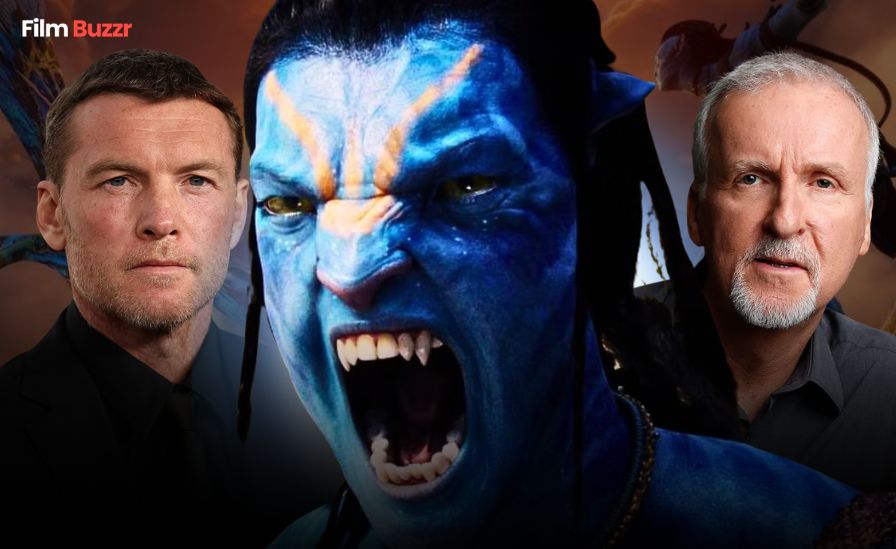

In a landscape of larger-than-life blockbusters, Sam Worthington remains refreshingly grounded. The actor, whose face is synonymous with the two highest-grossing films of all time, admits he finds the spotlight “overwhelming.” Yet, as the heart of James Cameron’s Avatar universe, he’s spent the better part of a decade immersed in the most ambitious filmmaking process on the planet.
With Avatar: Fire and Ash now in theaters, Worthington returns as Jake Sully, the former human turned Na’vi leader, in the third chapter of the epic saga. Ahead, he pulls back the curtain on filming the last two Avatar films concurrently, how Cameron operates like a “painter,” and why playing a 10-foot-tall blue alien is the perfect blockbuster role for a private person.
‘The Way of Water’ and ‘Fire and Ash’ Were a Single, Epic Shoot
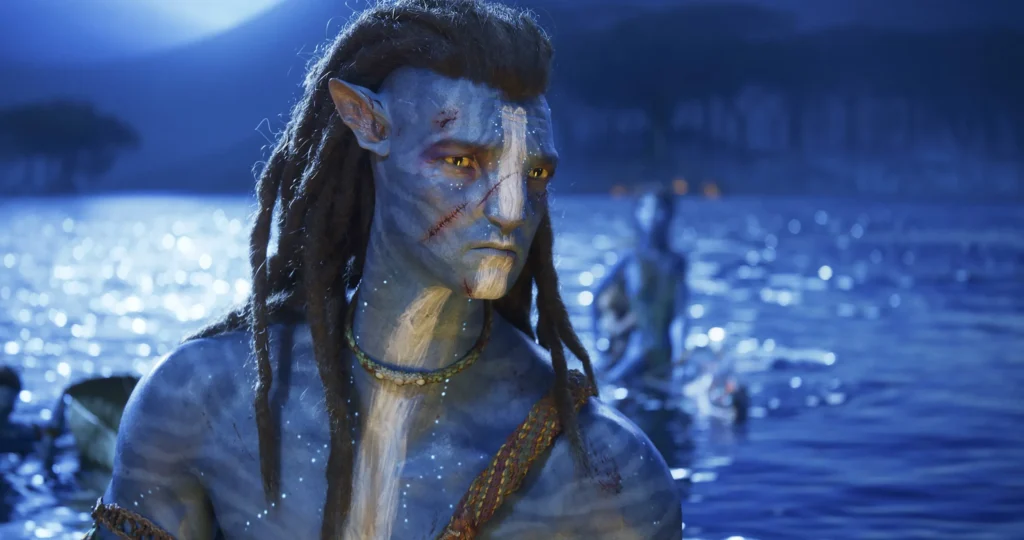
When James Cameron envisioned the continuation of the Avatar saga, he didn’t see separate sequels—he saw one sprawling story. “They’re the same movie,” Worthington explains. “When I read it, it was like one film.”
The actor detailed the unprecedented filming process, which began in 2017 with an 18-month block of performance capture, followed by another 18 months of live-action work. The schedule was fluid: “One day you do The Way of Water, then you flip to Fire and Ash.”
This approach was made possible by Cameron’s unique, ever-evolving style. “Jim isn’t a very secretive director with his cast,” Worthington says. Using the revolutionary virtual camera, the director could show his actors the world of Pandora in real-time during filming. “I can wave, and my blue avatar can wave back,” Worthington notes, highlighting the technology that grounds performances in a digital world.
James Cameron’s “On-Call” Creative Process
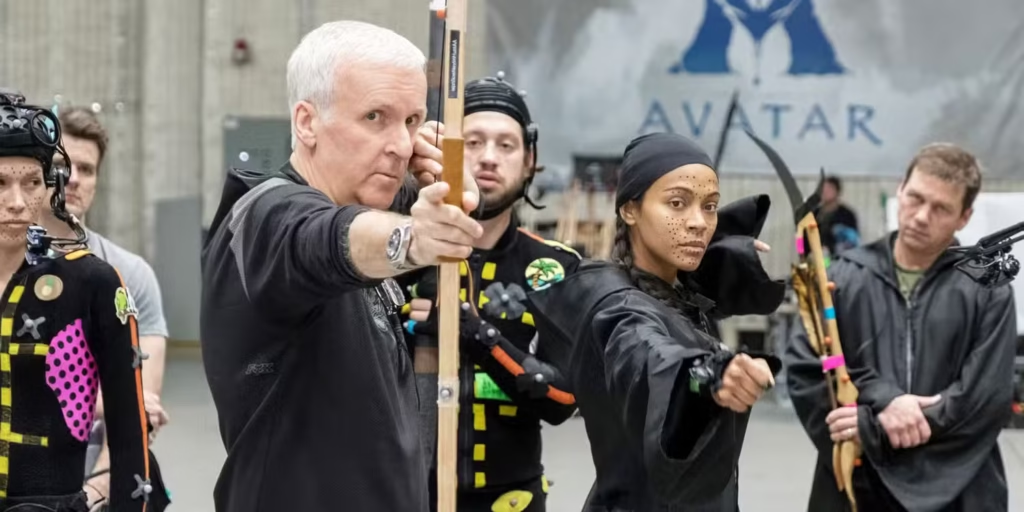
Perhaps the most surprising revelation is Cameron’s continual, iterative process. Worthington describes himself as being “like a doctor on call.”
Long after principal photography wrapped, the director would reach out with new ideas. “He’ll just phone me up after I’ve done another job and say, ‘Hey man, I hear you’re free. I’ve got a really cool idea.’” These weren’t reshoots, but creative additions. “He’s continually painting and painting,” Worthington says with admiration. This process continued until late last year, constrained only by the immense time required for rendering the final visuals.
How ‘Avatar’ Spoils an Actor (And Why Other Sets Feel “Broke”)
Worthington is candid about how the Avatar experience has reshaped his perspective on filmmaking. “Jim spoils you,” he laughs, referencing co-star Jack Champion’s shock at how “non-Avatar movies” are made.
The luxury, he explains, is time and focus. “The bulk of it is us actors acting scenes with a director who’s sitting right next to me, giving me ideas.” This contrasts sharply with conventional sets where a director is often preoccupied with technical logistics. “When you’re on a conventional film set, the director’s more worried about the shot, the dolly, the closeup, the sun, the extras. So we’re very privileged.”
The Blue Disguise: Anonymity and Global Recognition
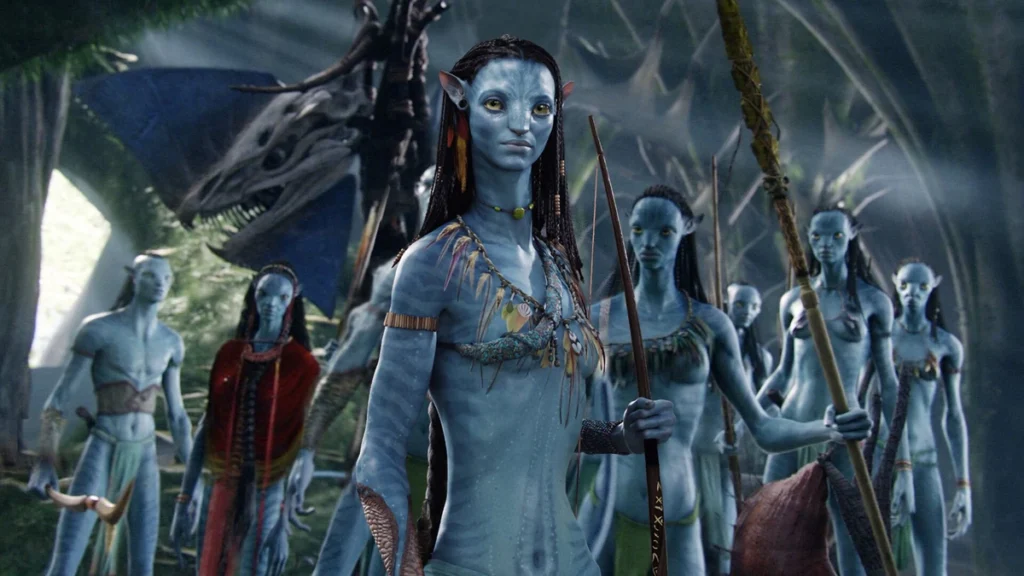
For an actor who values his privacy, playing a Na’vi has an unexpected perk: anonymity. “This blockbuster really kind of suits a guy like me,” Worthington admits. “I get a lot of anonymity because of it.”
Yet, the recognition still finds him in the most remote corners of the world. “I can go anywhere… In Indonesia, in the weirdest places in Africa… someone has seen and experienced that movie.” He believes audiences connect with the spirit of the performance, recognizing his mannerisms and voice even beneath the digital creation. “Just because you’re blue, it doesn’t necessarily mean that the anonymity holds.”
On the Future of Pandora: What’s Next for ‘Avatar’ 4 & 5?
With Fire and Ash now released, questions naturally turn to the future of the franchise. Cameron has recently tempered expectations for Avatar 4 and *5*, suggesting their fate depends on the latest film’s reception.
Worthington sees this as pragmatism, not doubt. “Jim’s not an arrogant man. He tells the story. If it connects, and we’re lucky to continue the saga, I think that’s what he’s trying to get at.”
He confirms that some filming for the later chapters has already taken place, particularly with the younger cast members, as the story is set to jump forward in time. But true to form, he expects Cameron’s process to continue: “I know that he will probably still write on it and tinker on it, and when he’s ready to rock, he’ll call us.”
For now, Worthington’s focus—and his director’s—remains on the immersive, three-hour journey audiences are taking with Fire and Ash. As he puts it: “His focus is this film.”