

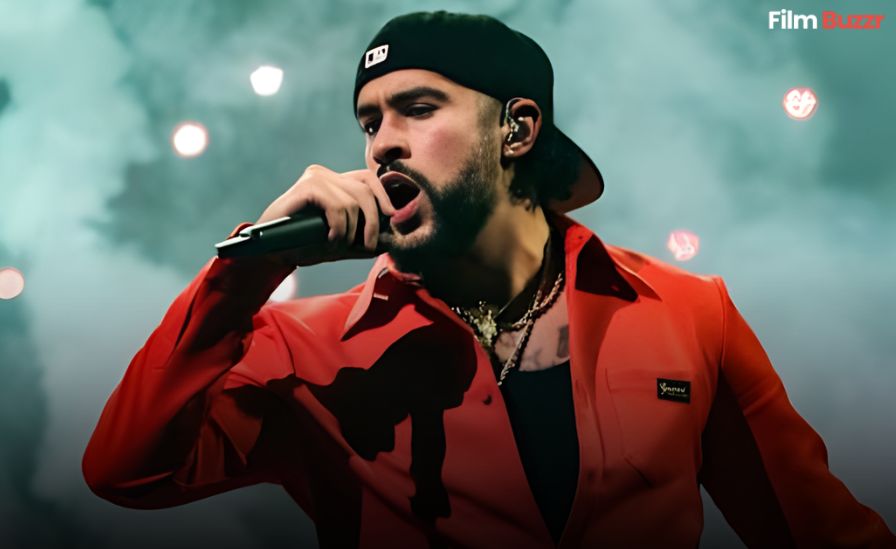

The Apple Music Super Bowl LX Halftime Show has already gone down as one of the most memorable performances in NFL history. Headlined by Puerto Rican superstar Bad Bunny, the 2026 halftime show marked a cultural milestone — featuring a largely Spanish-language set and a celebration of Latin music, heritage, and global unity. The event took place on February 8, 2026 at Levi’s Stadium in Santa Clara, California, during Super Bowl LX, and stood out not just for its music but for its broader cultural impact.
A Historic First: Spanish-Language Performance at the Big Game
Bad Bunny, born Benito Antonio Martínez Ocasio, became the first solo artist to perform a predominantly Spanish set at the Super Bowl halftime show. This was a landmark moment for representation in one of the world’s most-watched entertainment events, watched by millions across the United States and around the globe.
The 31-year-old artist delivered a high-energy performance featuring hits such as “Tití Me Preguntó,” “Yo Perreo Sola,” “El Apagón,” and “DTMF,” connecting deeply with both English- and Spanish-speaking audiences.
Cultural Tribute and Guest Appearances
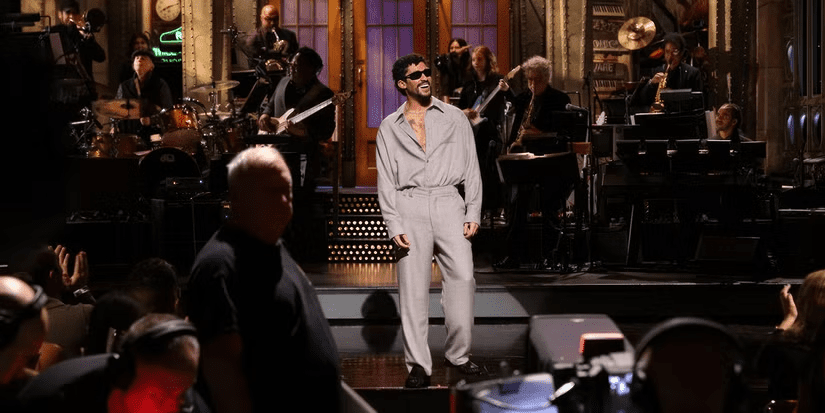
Bad Bunny’s show was designed not only as a musical showcase but also as a tribute to his Puerto Rican roots and Latin heritage. The stage included visual nods to Puerto Rican icons, music styles, and cultural symbols. His all-white outfit, complete with his family name “Ocasio” and traditional elements like the Puerto Rican flag, reinforced the performance’s deeply personal and cultural theme.
The halftime show also featured surprise guest appearances from major performers including Lady Gaga and Ricky Martin, adding star power and genre diversity to the set. Other personalities present included Cardi B, Karol G, Jessica Alba, and Pedro Pascal, giving the performance a celebratory and inclusive atmosphere.
Messages of Unity and Representation
Toward the end of his set, Bad Bunny held up a football inscribed with the phrase “Together we are America” and delivered a message of love, unity, and inclusivity — a powerful moment that brought together themes of cultural pride and American identity. This message resonated deeply with many viewers and highlighted the global impact of Latin music and culture.
Critics and fans alike have praised the artistic ambition of the performance, noting that it went beyond entertainment to deliver meaning and connection. Some commentators pointed out that the show’s focus on Spanish language and Latin identity reflected growing diversity in American popular culture.
Mixed Reactions and Cultural Debate
While many celebrated the performance, the show also sparked debate. Some critics, including former U.S. President Donald Trump, publicly denounced the choice of headliner, calling the halftime show “absolutely terrible” and questioning its cultural relevance. Others accused the event of being political rather than purely musical.
Despite the criticism, the NFL and entertainment commentators stood by Bad Bunny’s selection, noting that the halftime show has always reflected changing trends in music and culture. The decision to feature a Latin artist performing in Spanish was seen as a bold step toward broader representation in mainstream American entertainment.
Fan Reactions and Viral Moments
On social media platforms, the performance quickly trended worldwide, with fans sharing clips, commentary, and personal reactions. Many viewers praised the energy, creativity, and inclusiveness of the show, while others shared light-hearted moments — such as a couple choosing to get married live during the halftime performance, a viral moment that captivated online audiences.
On Reddit and other forums, discussions ranged from enthusiasm and pride to debate over the show’s language and cultural impact, reflecting the broad spectrum of viewer responses.
The Legacy of Bad Bunny’s Super Bowl Halftime Show
Bad Bunny’s halftime performance at Super Bowl LX will likely be remembered as a game-changing cultural moment — one that brought Latin music and Spanish-language performance to the centerpiece of global entertainment.
More than a concert, the show symbolized diversity, artistic expression, and the evolving nature of one of America’s biggest televised events. As streaming numbers and social engagement continue to climb, it is clear that Bad Bunny’s halftime show has left a lasting imprint on both music and sports history.