

For years, Marvel and Star Wars were the engines that powered Disney’s content strategy — dominating box offices and streaming charts around the world. But in 2025–2026, audiences and industry insiders began noticing something unusual: the pipeline of new releases from both of these flagship franchises is slowing down.
Disney is still releasing Marvel films, Star Wars series, and related content, but the pace has changed from what fans saw in the peak years of the MCU and Disney+ boom. So why is this happening? Let’s break it down.
1. Disney’s Shift from Quantity to Quality

When Disney+ launched and Marvel expanded into streaming with a flood of series (WandaVision, Loki, Moon Knight, etc.), the strategy was simple: saturate the market and bring subscribers to the platform.
But according to Disney CEO Bob Iger, that strategy spread creative teams too thin — leading to work that, in his view, diluted the strength of these franchises.
Iger stated publicly that Disney’s earlier content push “diluted focus and attention” on Marvel and Star Wars because the company was trying to produce too much content, especially for streaming, at once.
That shift laid the groundwork for a slowdown: instead of launching four or five shows and movies every year, Disney is increasingly focused on fewer, bigger, and more polished projects.
2. Box Office and Streaming Performance Matters
Not all recent Marvel or Star Wars projects hit the heights of earlier entries.
Industry analysis points to several underperforming releases both in theaters and on streaming that didn’t generate the engagement Disney expected.
Combined with rising production costs, that has pushed Disney to rethink how much capital and manpower it pours into every new title.
This trend has coincided with movie delays and reshuffling — including pushing major Marvel films like Avengers: Doomsday and Secret Wars to later release windows.
3. Franchise Fatigue and Oversaturation
Part of the slowdown comes from audience behavior too.
According to recent metrics, demand for Marvel and Star Wars content on Disney+ has dipped compared to previous years. Shows from these franchises once dominated the platform’s top lists, but as that demand has softened, other types of programming have picked up the slack.
A marketing executive summed up the situation bluntly:
“When you went to a Star Wars movie, it used to be special… but there’s a difference between one movie every few years versus three shows on the air all the time.”
This “marathon of content” approach may have contributed to fatigue: audiences simply weren’t engaged with every single release the way they were with the earlier entries in each franchise.
4. Cost Containment and Corporate Strategy
Disney is responding not just to creative concerns but also financial pressures.
In recent years, the company has pursued aggressive cost-cutting measures, including reducing content output overall. Marvel and Star Wars projects are among the most expensive to produce — meaning they also carry the greatest financial risk if they underperform.
Iger openly acknowledged that Disney is trimming costs and content volume, saying the strategy involves “spending less on what we make, and making less.”
In that context, a slower cadence of releases makes sense: it allows Disney to concentrate resources on flagship projects that can still deliver critically and commercially.
5. Star Wars Is Also Feeling the Effects
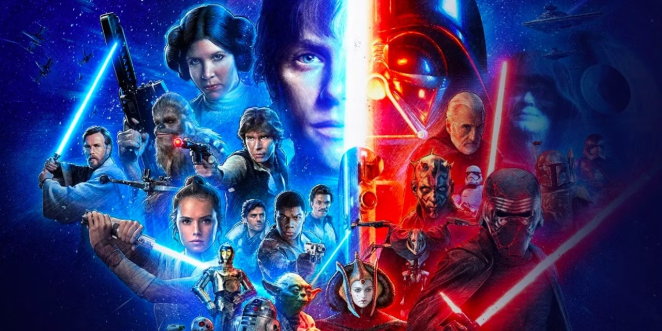
It’s not just Marvel. Star Wars has been notably quiet in recent years in terms of theatrical films — the last feature film from Lucasfilm was in 2019.
Though TV series have been Star Wars’ main storytelling outlet lately, the 2026 calendar has one major franchise movie and fewer shows than fans expected — enough to leave some observers scratching their heads.
This suggests Disney’s reevaluation applies across its biggest IP, not just Marvel.
6. Strategic Patience, Not Permanent Abandonment
It’s important to stress: Disney isn’t abandoning Marvel or Star Wars. They remain two of the company’s most valuable franchises.
Rather than flooding platforms and theaters with nonstop content, Disney appears to be shifting toward a more measured, quality-focused strategy — even if that means fans have to wait longer between big releases.
Recent scheduling changes and project delays likely reflect this new direction more than any long-term retreat.
Disney’s decision to slow down Marvel and Star Wars releases comes from a mix of audience demand, economic realities, creative focus, and corporate strategy. After a period of massive expansion, the company is now choosing to refine what it produces rather than just increase the quantity.
Whether this translates to stronger storytelling and better experiences for fans remains to be seen — but for now, Disney is playing a longer game.