

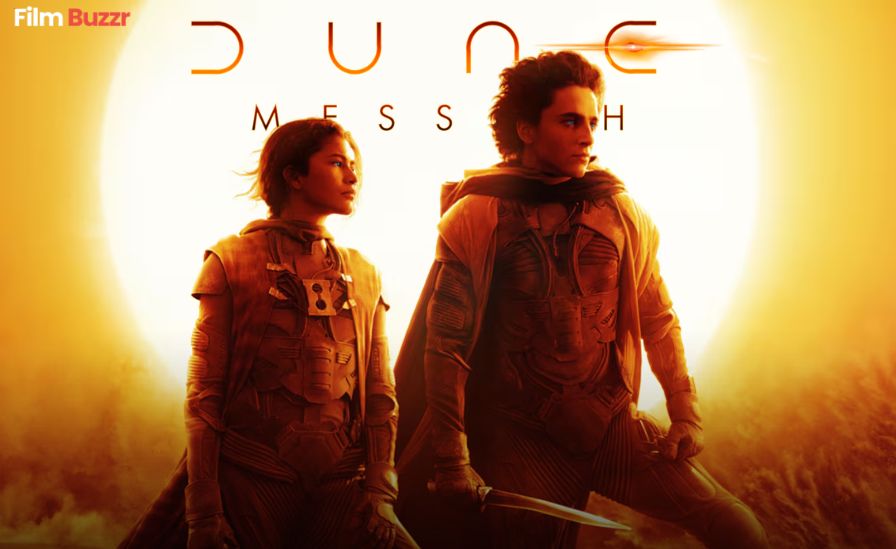

The world of Arrakis returns in Dune: Messiah, the long-awaited continuation of Denis Villeneuve’s epic sci-fi saga. After the massive success of Dune: Part Two, expectations were sky-high. Fans wanted more politics, more philosophy, more spectacle — and of course, more of Paul Atreides’ complicated destiny.
But the big question remains:
Is Dune: Messiah bigger, darker, and still magical — or does it lose the mystique that made the first two films iconic?
Let’s break it down in this detailed, spoiler-free review.
Where the Story Picks Up
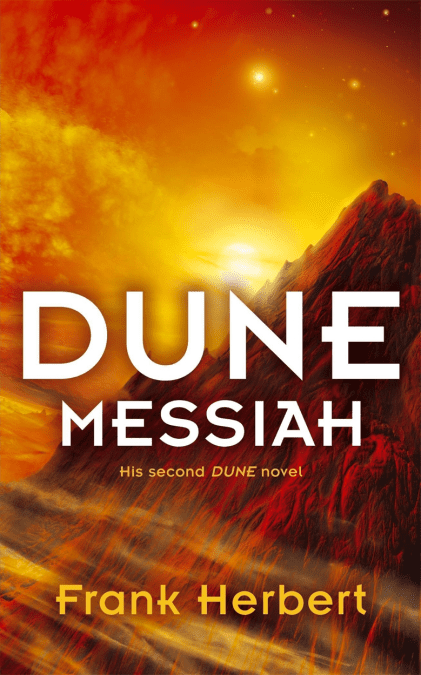
Dune: Messiah is based on the second novel in the legendary sci-fi series by Frank Herbert. Unlike the first Dune novel — which was about revolution and survival, Messiah explores the consequences of power.
At the end of Part Two, Paul Atreides seized control of Arrakis and positioned himself as a messianic figure. Now, years later, the universe is feeling the impact of his rise.
And this is where the tone shifts dramatically.
Plot Overview (Spoiler-Free)
The film opens in a universe already reshaped by Paul’s jihad across the galaxy. Billions have died in his name. Political factions are plotting. The Bene Gesserit are calculating. The Spacing Guild watches carefully.
Paul, now Emperor, is not a triumphant hero. Instead, he is a haunted ruler trapped by prophecy.
The story focuses on:
- Political conspiracies against Paul
- The moral weight of his decisions
- The psychological burden of prescience
- The cost of absolute power
Unlike the first two films, which balanced action and spectacle, Messiah leans heavily into psychological drama and political intrigue.
Direction & Vision – Denis Villeneuve’s Boldest Move Yet

Director Denis Villeneuve once described Dune: Messiah as “a tragedy.” And that description feels accurate.
Where Part Two felt mythic and triumphant, Messiah feels intimate and unsettling. Villeneuve strips away some of the heroic framing and instead presents Paul as a deeply conflicted figure.
The pacing is slower.
The tone is heavier.
The atmosphere is darker.
And that’s intentional.
Visually, the film remains stunning, vast desert landscapes, brutalist architecture, and ceremonial grandeur still dominate the screen. But there’s a colder edge now. The color palette is muted. The grandeur feels oppressive rather than inspiring.
This is not a feel-good sequel. It’s a philosophical reckoning.
Performances – A Career-Defining Turn
Timothée Chalamet as Paul Atreides
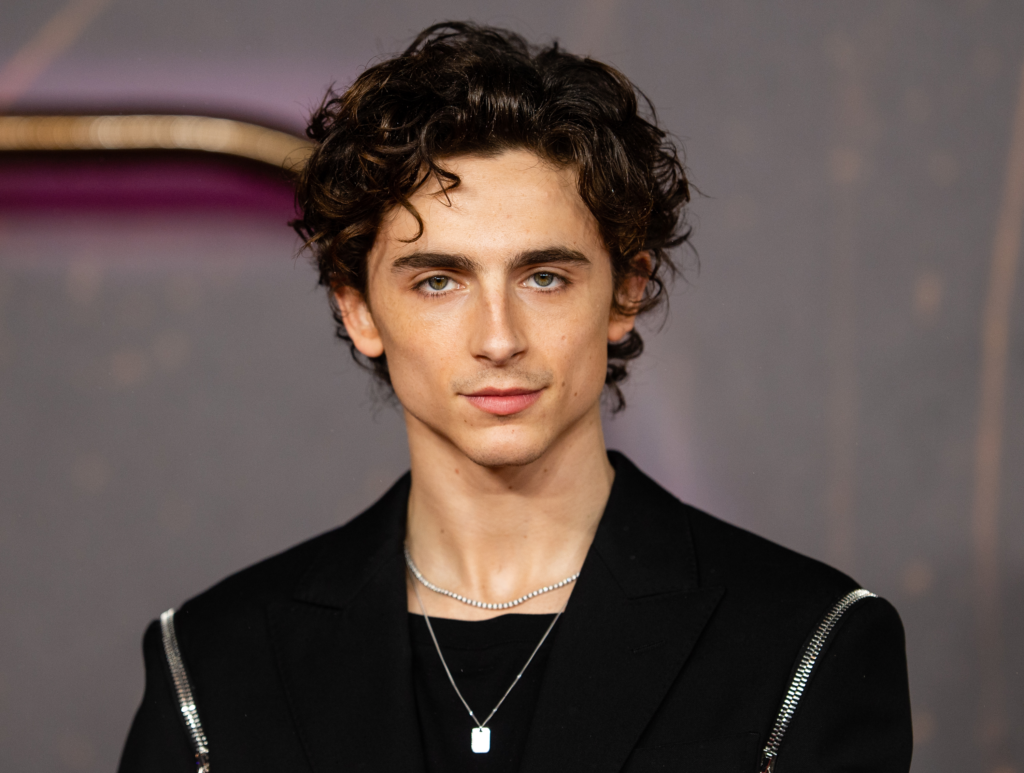
Timothée Chalamet delivers arguably his most layered performance yet. His Paul is no longer the hesitant young heir. He is calculating, emotionally restrained, and quietly tormented.
Chalamet portrays the internal conflict beautifully. You can see the weight of billions of deaths in his silence. The performance is subtle but powerful.
Zendaya as Chani

Zendaya gets more emotional depth here. Chani represents the moral anchor of the story — questioning Paul’s choices and challenging his path.
Her scenes bring humanity to a narrative dominated by politics and prophecy.
Supporting Cast
The political conspirators add complexity to the story. Each character represents a different ideology and power structure. The tension in council scenes and quiet negotiations is gripping.
There are no cartoon villains here — just ambitious players navigating a dangerous chessboard.
Themes – Power, Religion, and Consequences
If Dune was about destiny, Dune: Messiah is about the cost of destiny.
The film dives deep into:
1. The Burden of Prescience
Paul can see the future, but that doesn’t make him free. In fact, it traps him. Every decision feels predetermined.
2. The Danger of Blind Faith
The film critiques hero worship. Paul’s followers see a savior. The film shows the horror behind that myth.
3. Political Manipulation
Religion, power, and propaganda intertwine. The universe feels fragile.
This thematic depth makes the movie intellectually rich — but it may not appeal to viewers expecting nonstop action.
Action & Spectacle – Less Frequent, More Impactful
Let’s address the big shift:
There are fewer large-scale battles compared to Dune: Part Two.
However, when action sequences occur, they are intense and purposeful. Villeneuve doesn’t rely on spectacle for excitement. Instead, tension builds through dialogue, silence, and psychological stakes.
If you’re looking for constant war scenes, this film may feel restrained. But if you appreciate slow-burn storytelling, it’s deeply rewarding.
Cinematography & Score – Still Mesmerizing
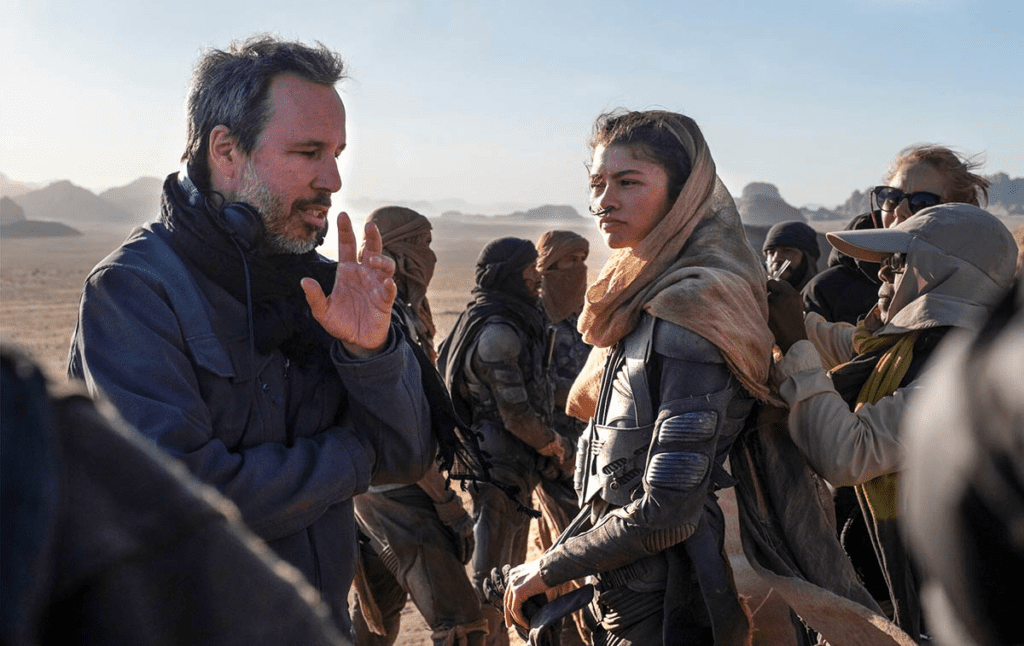
The visual storytelling remains breathtaking. Wide desert frames contrast with dark, shadow-filled interiors.
The music continues the atmospheric style that defined the franchise. Instead of triumphant themes, the score feels somber and haunting, reflecting Paul’s tragic arc.
The world of Arrakis still feels magical. But it’s a darker kind of magic now.
How It Compares to the Previous Films
| Element | Dune Part One | Dune Part Two | Dune: Messiah |
|---|---|---|---|
| Tone | Epic setup | Revolutionary climax | Political tragedy |
| Action | Moderate | Heavy | Minimal but intense |
| Character Focus | Paul’s growth | Paul’s rise | Paul’s downfall |
| Themes | Survival | Power | Consequences |
This table shows the evolution clearly. Messiah isn’t trying to outdo Part Two in scale. It’s trying to deepen the emotional and philosophical journey.
Strengths of Dune: Messiah
- Deep character exploration
- Powerful central performance
- Mature, thought-provoking themes
- Stunning cinematography
- Bold storytelling direction
Weaknesses of Dune: Messiah
- Slower pacing may test casual viewers
- Less action compared to previous installment
- Heavy political dialogue
Some audiences expecting another explosive war epic might feel surprised.
Is It Still Magical?
Yes, but differently.
The magic in Dune: Messiah comes from:
- Moral complexity
- Psychological tension
- Cinematic atmosphere
It’s less about sandworms and battles.
It’s more about consequences and inevitability.
That makes it one of the boldest sci-fi sequels in recent memory.
Bigger, Darker, Still Brilliant?
Dune: Messiah is not bigger in spectacle, but it is bigger in ambition.
It dares to challenge its audience. It refuses to glorify its hero. It turns myth into tragedy.
While it may divide viewers who loved the action-heavy second film, it stands as a mature and daring continuation of the saga.
Rating: 4.5 / 5
If you appreciate slow-burn storytelling, philosophical depth, and layered performances, this film delivers powerfully. Stay tuned with Filmbuzzr.