

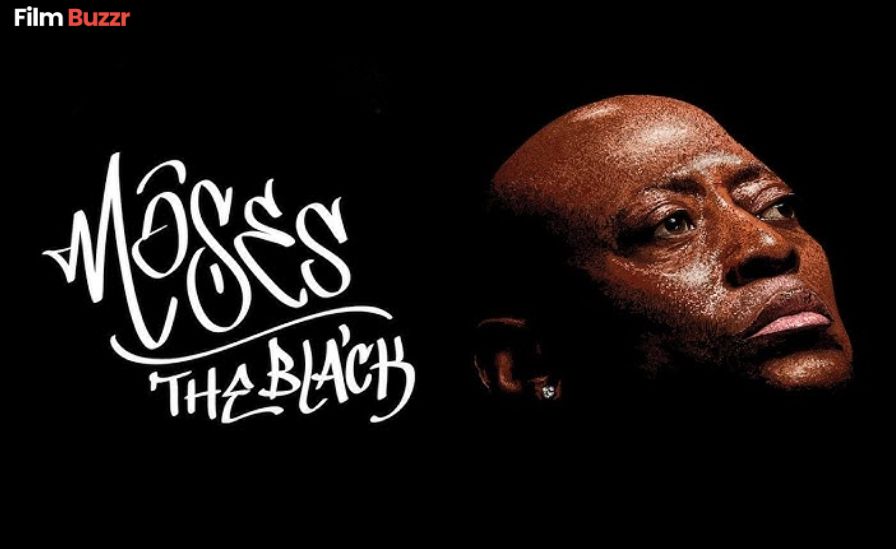

Moses the Black is an ambitious film that attempts to blend crime drama with spiritual reflection, inspired by the real-life story of Saint Moses the Black. Set in a modern urban environment, the movie explores whether a man shaped by violence can truly change when confronted with faith, guilt, and the consequences of his past actions.
Directed by Yelena Popovic, the film clearly wants to say something meaningful. It is not just interested in gang rivalries or street-level crime, but in deeper questions about redemption, identity, and moral responsibility. While the intention is strong, the execution is often uneven.
Story and Narrative

The story follows Malik, a former gang leader who returns to his old neighborhood after being released from prison. Still haunted by the loss of his closest friend and surrounded by the same violence he once thrived in, Malik finds himself standing at a crossroads. His grandmother introduces him to the story of Moses the Black, a violent outlaw who later became a Christian saint.
From this point, the film moves between Malik’s present-day struggles and symbolic, sometimes dream-like moments inspired by the historical figure of Moses. These sequences are meant to show Malik’s inner conflict, but they do not always blend smoothly with the gritty realism of the main storyline.
At its best, the movie feels thoughtful and reflective. At its weakest, it feels scattered, as if it is unsure whether it wants to be a hard-hitting crime drama or a spiritual meditation.
Performances
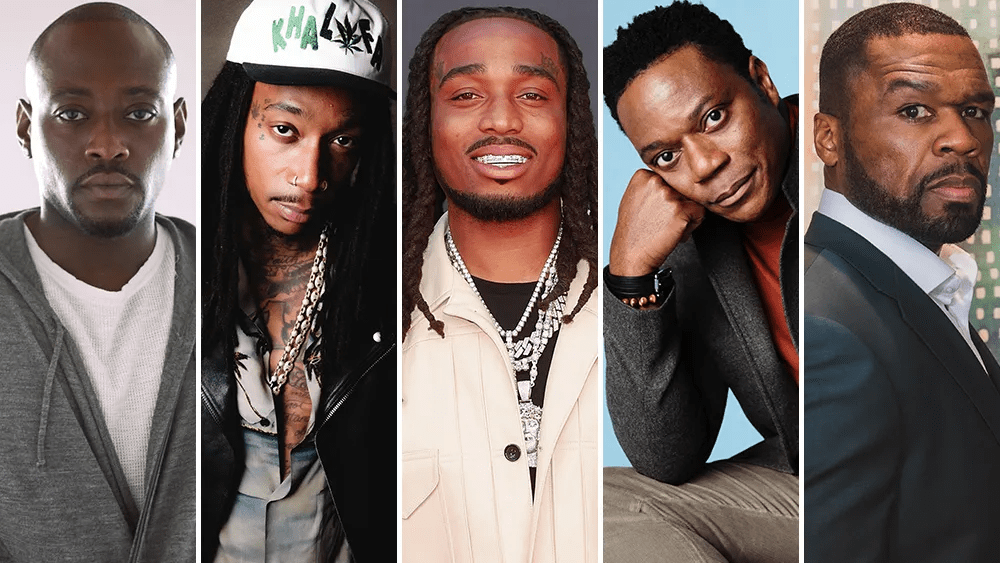
Omar Epps delivers the strongest performance in the film. He brings emotional weight and restraint to Malik, making his internal struggle believable even when the script falters. His quiet moments of doubt and reflection are far more effective than the louder, more dramatic scenes.
The supporting cast, including Wiz Khalifa and Quavo, offers mixed results. While they bring screen presence, their performances sometimes feel limited, lacking the depth needed for such heavy subject matter. Chukwudi Iwuji, appearing as the historical Moses figure, adds a sense of gravity, though his role feels underused.
Direction and Tone
Yelena Popovic’s direction shows clear passion and purpose. The film wants to challenge its audience and refuses to be purely entertaining. However, the tonal shifts can be jarring. Scenes of intense street violence are followed by quiet, spiritual moments that do not always feel organically connected.
The pacing also suffers as a result. Some scenes linger longer than necessary, while others that could have benefited from deeper exploration are rushed. This imbalance makes the film feel longer than it actually is.
Themes and Message
The core theme of Moses the Black is redemption. The film asks whether someone deeply rooted in violence can truly change, or if their past will always define them. Faith plays a central role, not as a simple solution, but as a source of conflict and reflection.
The movie deserves credit for not offering easy answers. It portrays transformation as painful, uncertain, and incomplete. However, its message sometimes gets lost in heavy symbolism and unclear storytelling choices.
Final Verdict
Moses the Black is a film with powerful intentions and meaningful themes, but it struggles to fully deliver on its promise. Strong performances, especially from Omar Epps, keep the movie grounded, but uneven pacing, tonal confusion, and underdeveloped supporting characters hold it back.
This is not a film for viewers looking for fast-paced action or straightforward storytelling. It will resonate more with audiences interested in character-driven dramas and faith-based themes, even if they must overlook its flaws.
Rating: 2.5/5
Moses the Black has meaningful ideas and a sincere lead performance, but uneven storytelling and tonal imbalance prevent it from reaching its full potential.
Stay tuned with Filmbuzzr!