

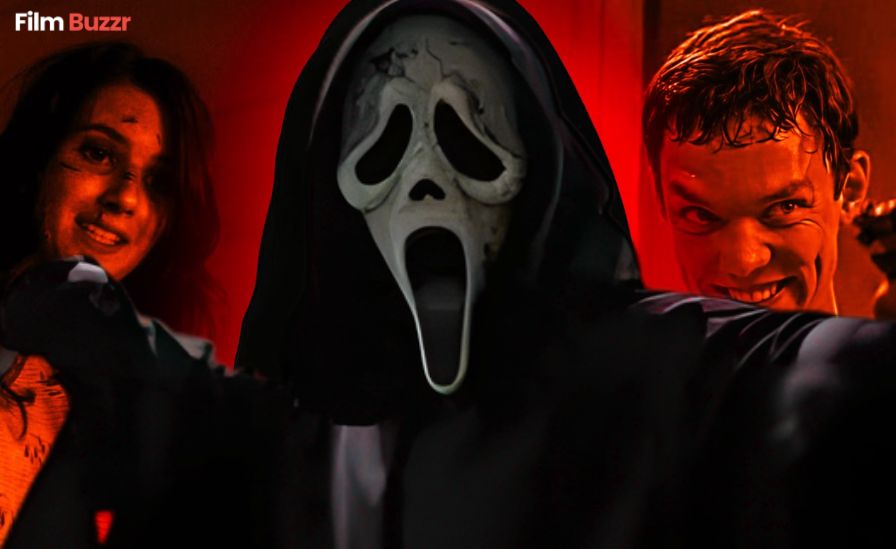


Scream 7 Directed by Kevin Williamson, Scream 7 marks a significant chapter in the long-running horror franchise. With Neve Campbell returning and the Carpenter sisters facing new terror, the film attempts to balance nostalgia with modern slasher storytelling.
In this detailed review, we’ll break down the story, performances, tone, scares, themes, standout scenes, and whether the sequel lives up to the Ghostface legacy.
What Scream 7 Is About (Spoiler-Free)
Scream 7 picks up after the events of Scream 6, placing the surviving characters back into Woodsboro’s familiar and fear-filled world. A new Ghostface emerges with motives tied to revenge, social media notoriety, and twisted fandom culture.
As the bodies stack up and secrets unravel, familiar faces and new generation characters must team up to uncover the killer’s identity — all while commenting on how horror fandom, online speculation, and franchise fatigue have shaped their lives.
The film blends the franchise’s classic whodunit mystery with self-aware humor and split-second terror, staying true to Scream’s meta DNA.
Direction & Screenplay – Balancing Legacy and Innovation
Director Kevin Williamson returns to the helm with a clear understanding of what makes Scream tick: self-referential wit, genre awareness, and genuine tension. The screenplay — penned by returning writers familiar with franchise lore — confidently nods to past entries while exploring modern horror anxieties.
By referencing viral culture, online sleuthing, and the fan obsession with “who’s under the mask,” Scream 7 cleverly incorporates contemporary fears into its slasher template. One early theme that emerges is: In a world where everyone theorizes, no one is safe from suspicion.
This layered approach gives the film more texture than a simple body count.
Performances – Familiar Faces and Fresh Energy
One of the film’s strengths lies in its cast, which blends established franchise favorites with charismatic newcomers.
Returning Cast Highlights
- Neve Campbell shines as the weary but resilient survivor whose emotional stake in the story gives the film much of its heart. Their performance anchors the narrative’s emotional risk.
- Melissa Barrera provides sharp humor and depth, reminding viewers why this franchise endures.
New Generation Characters
The new faces bring vital energy and unpredictability. Their chemistry with the returning cast feels natural rather than forced, giving the franchise a sense of evolution instead of mere repetition.
The actors’ discomfort, fear, and occasional levity help Scream 7 avoid becoming a stale retread. Watching old and new collide elevates moments that might otherwise feel routine.
Tone and Humor – Classic Scream Meta in Full Swing
Scream films have always thrived on self-awareness — jokes about horror trends, fandom expectations, franchise logic, and killer clichés have been part of the fun since the original.
In Scream 7, the meta commentary is smarter than in many recent horror sequels. Instead of pointing out every “horror rule,” this film sometimes interrogates the idea of fandom itself — how speculation online influences real-world reactions, and how fans can become dangerously invested in theories.
One character notes early on:
“If we survive the killer, we still have to survive the comments.”
This line — humorous but unsettling — reflects the way horror now lives and breathes in social media culture.

Scares, Suspense, and Set Pieces
A Scream movie lives and dies by its ability to balance tension with shock.
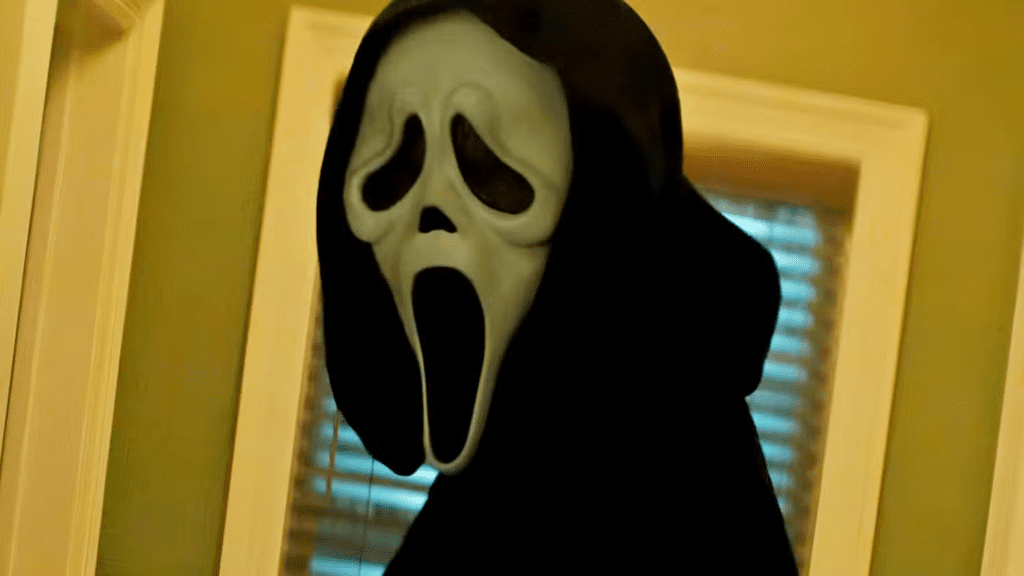
Scream 7 takes its time building dread. Its set pieces — often in mundane suburban locations — benefit from sharp pacing and clever framing. Sudden phone calls, masked silhouettes, chilling silences, and familiar Ghostface taunts remind audiences why the franchise’s scares still work.
The action sequences are well-choreographed without descending into gratuitous gore. This restraint helps keep horror grounded in suspense rather than spectacle.
Themes – Legacy, Obsession, and Identity
At its core, Scream 7 is about legacy — who gets to tell horror stories, and how far will fans go to feel connected? The film explores:
1. Fan Culture and Identity
The idea that horror fans now contribute to the mythology is central. Characters argue over motives, spoilers, and narrative control, mirroring real social debates about media ownership.
2. Legacy Characters vs. New Blood
The film constantly juxtaposes old versus new, highlighting how histories shape present danger. Returning survivors wrestle with the past while younger characters reveal how urban legends evolve.
3. Media Influence
The movie subtly critiques online rumor mills, TikTok investigations, and viewer entitlement — all of which motifs feel contemporary and relevant.
These themes give Scream 7 more weight than a typical slasher entry.
Visual Style and Score
Visually, Scream 7 uses familiar framing — tight interiors, sudden shadows, quick cuts — to sustain tension. The cinematography respects franchise roots but adds modern flair with dynamic camera movement and sharper color grading.
The score — a mix of eerie ambient sounds and familiar leitmotifs — ties the film to past entries while building a unique atmosphere. Subtle audio cues enhance jump scares and emotional beats without overwhelming viewers.
Standout Scenes (Without Spoilers)

While avoiding spoilers, several moments deserve attention:
- The opening sequence sets the tone with unsettling quiet before chaos.
- A mid-film revelation recontextualizes earlier scenes in an unexpected way.
- The final confrontation feels both brutal and emotionally satisfying, reminding audiences why the Ghostface legacy still matters.
These scenes illustrate the film’s ability to balance character moments with slasher set pieces.
Comparisons to Past Scream Entries
Compared to Scream 5 and Scream 6, this installment leans more into psychological tension than action. Some fans may miss the kinetic energy of earlier sequels, but others will appreciate the sharper thematic focus.
If Scream 5 introduced a new generation and Scream 6 expanded the geographic scale, Scream 7 feels like a reckoning — both for its characters and the franchise’s broader mythology.
Fan and Critical Reception
Early reactions — both online and from critics — have been largely positive. Many reviewers praise the film for:
- Strong meta commentary
- Balanced scares and humor
- Smart use of returning and new characters
Some criticisms include:
- A few predictable plot beats
- Humor that occasionally feels forced
- Slight overreliance on genre tropes
However, overall reception suggests that Scream 7 is one of the better installments in the franchise’s recent run.
Pros and Cons
What Works
- Smart blending of meta commentary and horror
- Strong ensemble cast
- Well-paced suspense
- Themes rooted in modern fan culture
What Doesn’t
- Occasional predictability
- Some supporting characters lack depth
- Humor dips into cliché at times
Does Scream 7 Deliver?
Rating: 4 / 5 Stars
Scream 7 successfully continues the legacy of one of horror’s most enduring franchises. It offers solid scares, clever commentary, and emotional investment without relying solely on nostalgia.
Whether you’re a die-hard Scream fan or a horror enthusiast looking for smart modern thrills, this sequel delivers a satisfying blend of mystery, tension, and self-aware satire.