

Devil May Cry Season 2: A Masterclass in Video Game Adaptation Animation
The landscape of video game adaptations has transformed dramatically in recent years. From the record-breaking success of the Super Mario Galaxy Movie to the critical acclaim of The Last of Us and Fallout, audiences are finally getting the quality adaptations they deserve. Yet before these prestige productions dominated the conversation, Adi Shankar’s Castlevania proved that anime-inspired storytelling could capture the essence of beloved games. Building on that success, Shankar’s take on Capcom’s Devil May Cry emerged as one of the most visually impressive video game adaptations ever created—and Season 2 maintains that extraordinary standard.
What Happens in Devil May Cry Season 2?
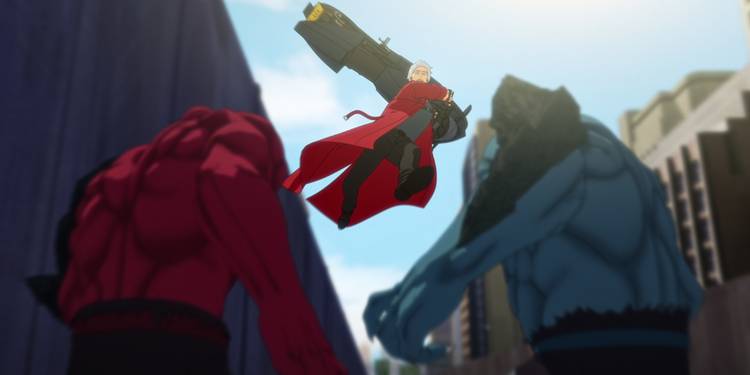
Season 2 escalates the stakes considerably. The United States, backed by the mysterious Uroborus corporation, declares outright war on Hell itself, targeting the demonic realm of Makai and its leader, Mundus (Ray Chase). The conflict intensifies when Arius (Graham McTavish), Uroborus’s founder, encounters Vergil, a formidable half-human, half-demon warrior and brother to demon-slayer Dante (Johnny Yong Bosch). Dante is awakened from cryo-stasis to join Lady (Scout Taylor-Compton) in saving the world once again.
What makes this season particularly compelling is how Devil May Cry continues its sophisticated approach to storytelling. Despite being an over-the-top series about demon combat, the show explores deeper themes by humanizing the Makai realm. Season 2 draws striking parallels between the war on Makai and real-world geopolitical conflicts, adding surprising depth and social commentary to the narrative.
Strong Supporting Cast Steals Focus from the Protagonist
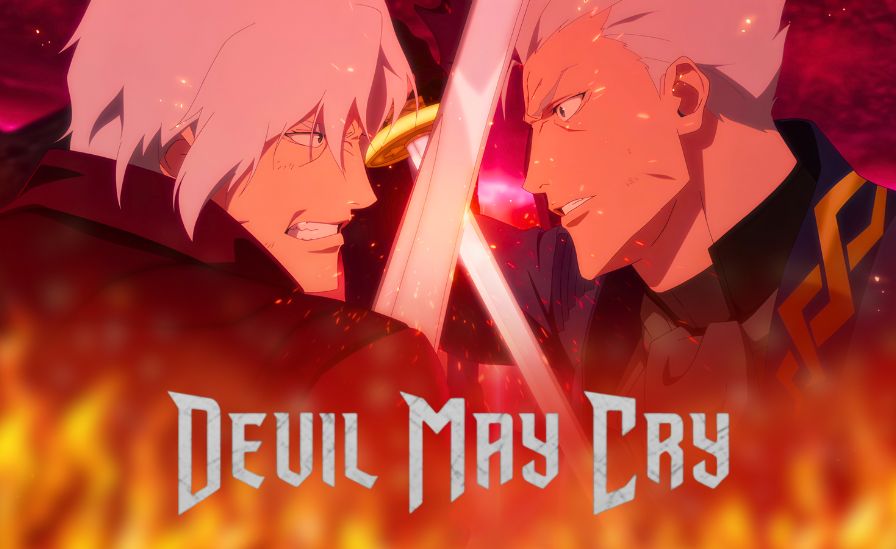
One of Season 2’s most notable characteristics is how the supporting cast often outshines the main character. Vergil’s introduction proves particularly impactful—as a counterpoint to Dante’s carefree personality, Vergil’s hyper-focused intensity makes him instantly compelling. The dynamic between these brothers echoes legendary video game rivalries like Ryu and Ken or Scorpion and Sub-Zero, and the show explores their relationship with surprising nuance and unpredictability.
Lady continues to impress with witty one-liners and engaging personality that somehow fit perfectly within this chaotic world. However, this character-driven approach leaves Dante somewhat sidelined in his own story. While Season 1 managed to balance this by delivering such compelling side narratives that the protagonist’s reduced role felt acceptable, Season 2 pushes this further, occasionally making the series feel like it’s missing its titular character’s presence.
The Villain Problem
Another challenge Season 2 faces is following up Season 1’s exceptional antagonist, The White Rabbit (Hoon Lee), who was a delightful and terrifying presence. While Graham McTavish brings charisma to Arius, the character’s backstory and plot significance don’t quite match the intensity or memorability of his predecessor. Arius isn’t a weak villain, but he fails to make the same impact.
Unmatched Visual Animation and Stunning Action Sequences
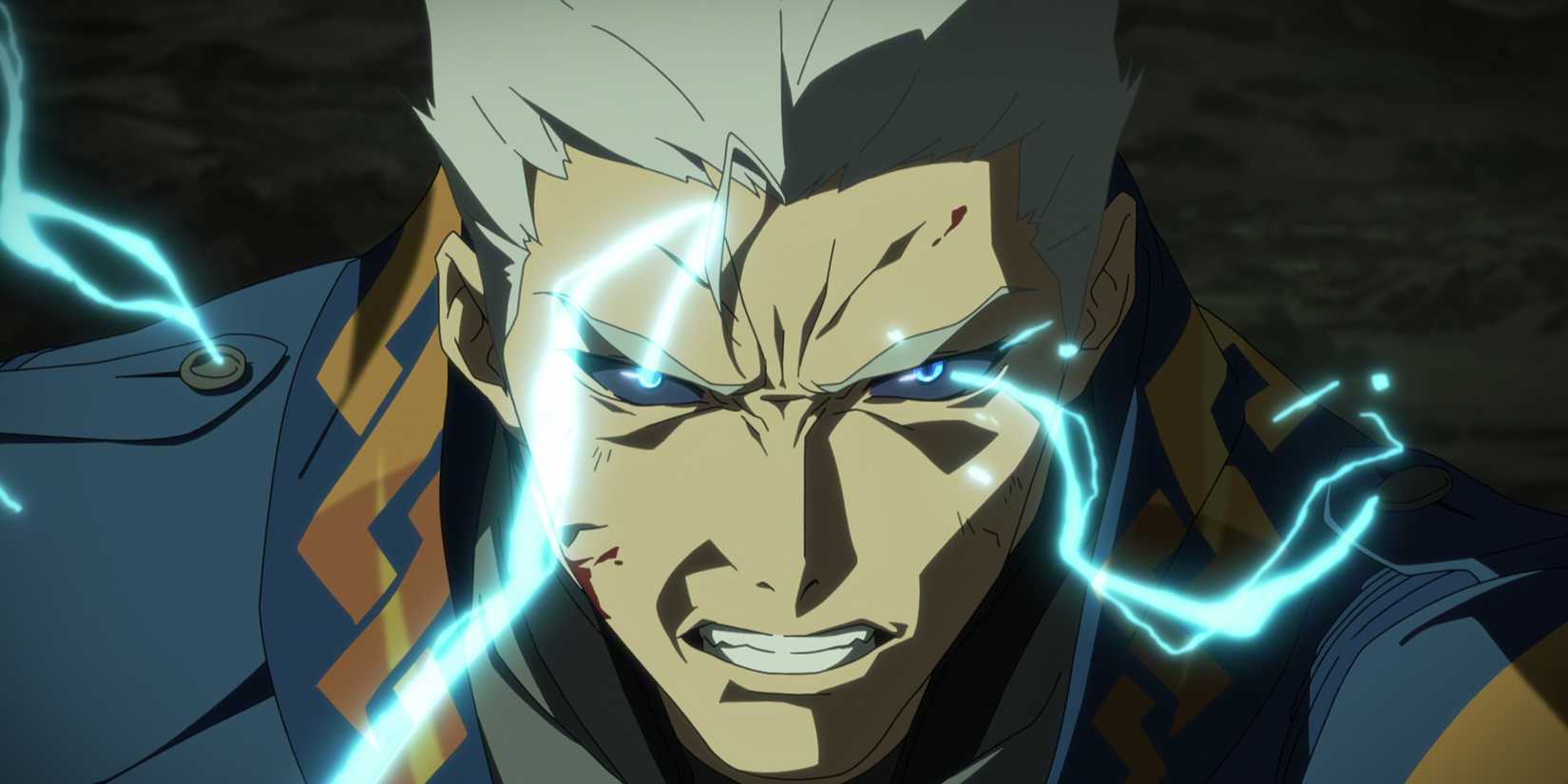
Where Devil May Cry Season 2 truly excels is in its visual presentation. The series remains one of the most beautiful video game adaptations ever created. The bright, detailed, and vibrant animation style that distinguished Castlevania is amplified here, creating some of the most visually stunning action sequences currently available on streaming platforms.
Every frame feels intentional and purposeful. The animation team captures Devil May Cry’s signature style perfectly—the absurd brutality of sword slices, the impact of every bullet, and the chaotic energy that made the original video game franchise a cult classic. The series doesn’t just look good; it feels alive with kinetic energy.
Sound Design Complements the Visual Spectacle
The musical accompaniment deserves particular praise. Heavy metal rock tracks perfectly complement the intense action sequences, creating an immersive sensory experience that brings the Capcom franchise to life. The sound design and music choices feel absolutely authentic to the Devil May Cry games.
Season 2 vs. Season 1: A Slight Step Down
Season 1 achieved near-perfection by emulating the original Devil May Cry games while carving its own creative path. Season 2, by contrast, feels more bound to adapting the second game’s story, which limits its dynamism. The season truly shines when Vergil and Lady dominate screen time, but those moments featuring Dante feel less essential to the overall narrative.
This represents a noticeable step down from Season 1’s balance, though calling it a significant flaw would be unfair. The technical excellence and spectacular action sequences more than compensate for the narrative shortcomings. Even casual fans will find plenty to love in the absolutely sensational visual presentation and bloodthirsty spectacle.
Final Verdict: A Must-Watch for Video Game Adaptation Fans
Devil May Cry Season 2 proves that video game adaptations can achieve genuine artistic merit. While the season doesn’t quite reach the heights of its predecessor and sidelines its protagonist too frequently, the stunning animation, engaging supporting characters, and explosive action sequences make it essential viewing. The series flawlessly emulates the classic Capcom aesthetic while delivering the kind of spectacular entertainment that fans of both the games and well-crafted anime deserve.
Devil May Cry Season 2 is now streaming on Netflix.