

The Complicated Legacy of Passing the Shield
The Marvel Cinematic Universe has spent the better part of a decade building toward this moment: Anthony Mackie’s Sam Wilson becoming the next Captain America. It was a slow burn that began in earnest during The Falcon and the Winter Soldier, carefully laying groundwork that finally paid off in Captain America: Brave New World. For the first time in franchise history, the Captain America films had a new lead hero—not a supporting player elevated for one film, but a genuine torch-passing.
Except Marvel apparently decided that torch-passing wasn’t quite final.
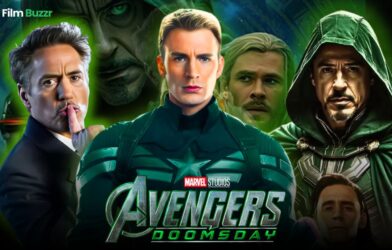
Chris Evans’ return as Steve Rogers in Avengers: Doomsday represents something more troubling than a simple nostalgia play. It signals potential hesitation about the studio’s own creative decisions. Yes, Evans’ character had a satisfying conclusion in Endgame. Yes, his return will undoubtedly excite fans. But the timing and positioning of his comeback raises legitimate questions about whether Marvel is genuinely committed to Sam’s tenure as Captain America or if this was always meant to be a temporary arrangement.
How the Captain America Franchise Actually Works
To understand why this matters, we need context on how MCU franchises operate. The studio has multiple models. Some franchises—like Iron Man—centered on a single character across three films. Others, like Ant-Man, added supporting heroes to the title (becoming Ant-Man and the Wasp) to reflect narrative shifts without abandoning the original lead. The Marvels stripped Carol Danvers’ name from the title to elevate Monica Rambeau and Kamala Khan.
Then there are the rare instances of genuine character rotation. Guardians of the Galaxy Vol. 3 shifted focus from Star-Lord to Rocket Raccoon as the emotional core. Black Panther: Wakanda Forever had no choice but to pass the throne to Shuri following Chadwick Boseman’s death. These weren’t planned transitions—one was creative evolution, the other was tragic necessity.
Captain America’s situation was supposed to be different. It was meant to be planned. It was supposed to feel earned.
Three Films of Setup, Then the Handoff
Chris Evans anchored three Captain America solo features: The First Avenger, The Winter Soldier, and Civil War. Each film centered on Steve’s personal journey, even when larger MCU consequences hung in the balance. Then came Endgame, where the character achieved his endpoint—a quiet, earned retirement in an alternate timeline with Peggy Carter.
Sam Wilson earned his promotion legitimately. He’d been present since The Winter Soldier, Steve’s closest ally and the character audiences most trusted. The Falcon and the Winter Soldier dramatized the psychological weight of inheriting Captain America, showing Sam’s initial reluctance and eventual acceptance. By the time Brave New World arrived, the foundation felt solid.
Anthony Mackie’s Sam now has appeared in as many Captain America films as Evans did. The franchise successfully pivoted its main character. That should have been the story. Instead, Marvel threw a wrench into its own narrative.
The Timing Problem Nobody’s Talking About
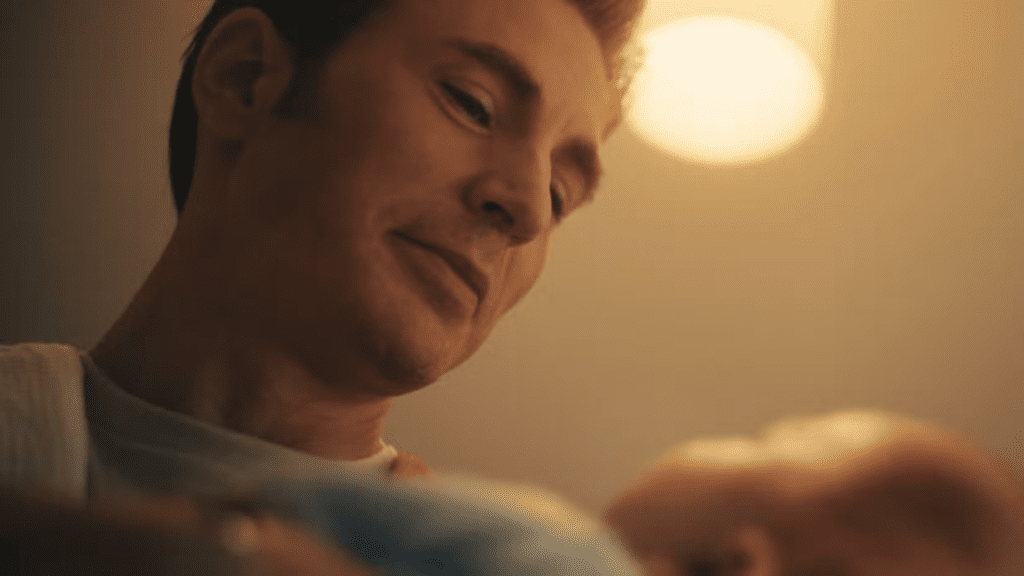
Let’s be direct: Chris Evans’ return in Doomsday undermines Sam’s position at the worst possible moment. Brave New World didn’t set box office records—a fact Disney executives apparently blame on the absence of Evans’ Captain America. Whether that analysis is fair is debatable. What matters is that Marvel is clearly feeling pressure to bring back the original.
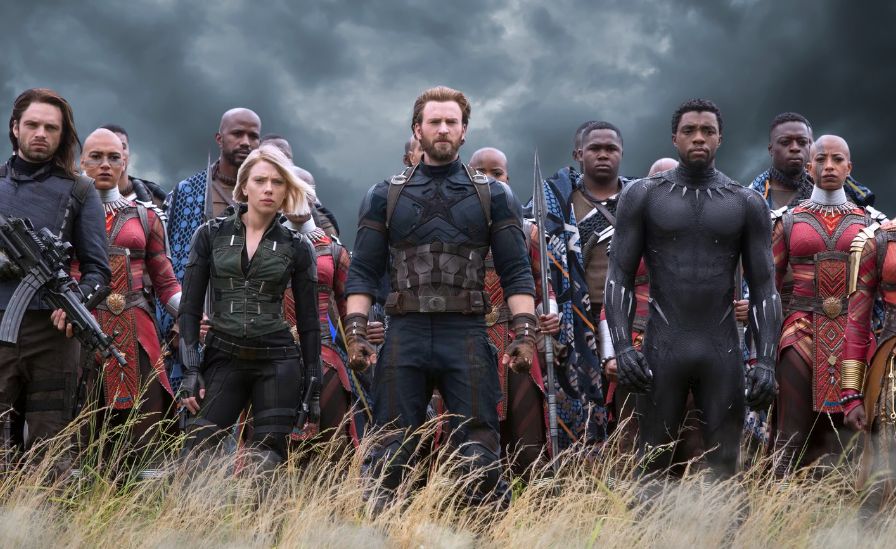
Meanwhile, Sam is confirmed for Avengers: Doomsday with his own assembled team. That should be his moment—finally leading an Avengers ensemble rather than supporting one. Instead, he’ll likely share screen time with Steve’s return, and whoever gets more focus will tell the real story about who Marvel actually believes is Captain America.
The official messaging even hints at the split. Brave New World ended by announcing “Captain America will return.” Doomsday’s trailer specified “Steve Rogers will return.” That distinction matters. Marvel is clearly trying to have it both ways: Sam is Captain America, but Steve is the character audiences actually want to see.
Why This Strategy Might Backfire
Sidelining Sam Wilson now risks damaging both characters. Sam gets relegated to a secondary role in his own franchise just as he’s finally getting his due. Steve’s return could feel like Marvel didn’t trust its own creative vision—the implication being that Sam was a placeholder until Evans was ready to return. Neither scenario is ideal.
If Marvel’s box office concerns are real, the solution isn’t returning to the original Captain America. It’s making Sam’s films so compelling that audiences don’t miss anyone else. Brave New World deserved stronger storytelling, not a reminder that a more famous version of the character exists.
What Could Actually Happen After Secret Wars
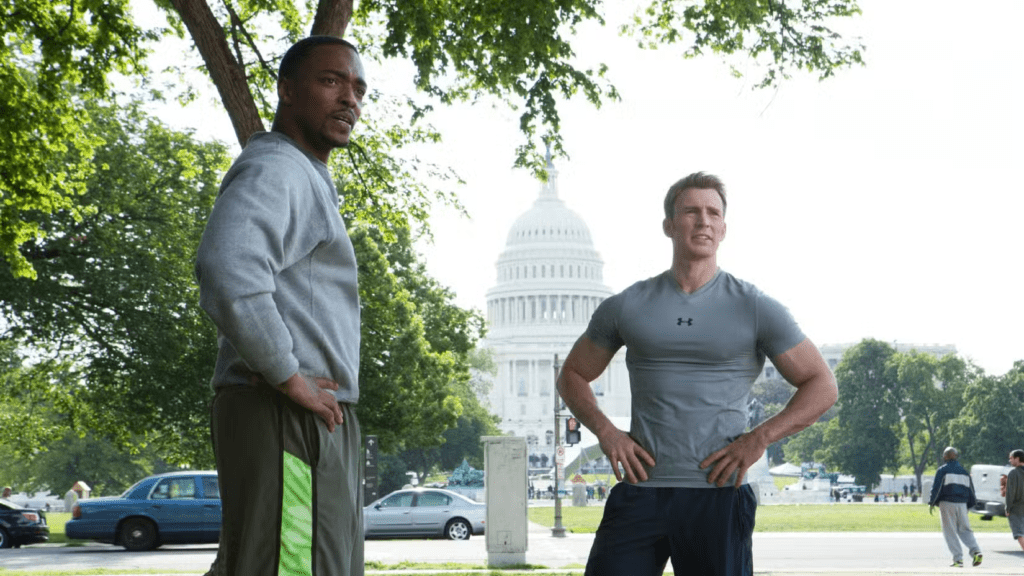
Avengers: Secret Wars opens a possible escape route. Marvel’s confirmed that this multiversal reset will effectively reboot the MCU timeline. That creates theoretical space for Steve Rogers to re-enter the primary universe—but in what capacity?
The smartest scenario sees Steve transition to a supporting role that mirrors his comic book history. Imagine Steve Rogers leading a revitalized SHIELD, becoming a mentor figure rather than a field operative. This would allow both characters to coexist: Sam stays the franchise’s active Captain America while Steve provides institutional leadership and wisdom. It honors both the character and the performer without creating constant tension about who’s really in charge.
Less ideal outcomes include Marvel quietly dropping Sam’s storyline to restore Evans as the lead. That would be a mistake on multiple levels, not least because it signals MCU decision-making is driven by box office anxiety rather than narrative confidence. Audiences would notice. The backlash could be significant.
The Deeper Question: Does Marvel Trust Itself?
This situation crystallizes a larger MCU problem: the studio sometimes lacks confidence in its own direction. They spent years building Sam Wilson’s journey toward the shield. They made films, shows, and narrative choices that pointed clearly toward this moment. Then, when the moment arrived, they almost immediately signaled they wanted the old thing back.
That’s not how franchises sustain themselves. Long-term success requires studios to believe in their creative choices and execute them properly. If Sam’s Captain America films aren’t working, the answer is better storytelling, not bringing back the original hero.
Chris Evans’ return doesn’t have to derail Sam’s tenure as Captain America. But it requires Marvel to make clear choices about what Sam’s role actually is—and to resist the temptation to gradually minimize him in favor of nostalgia. The MCU’s Captain America franchise has already made the switch. Whether it actually commits to staying switched remains an open question.