

Before we dive into the story, make sure to check out FilmBuzzr for more movie news, trailer breakdowns, and exclusive Hollywood insights.
Marvel Studios’ Avengers: Doomsday is already one of the most anticipated films in the Marvel Cinematic Universe — and its trailer rollout has become one of the most talked-about moments of 2025. What was supposed to be a theatrical-only teaser campaign has instead turned into a massive online discussion after multiple leaks spread through social media and fan communities. But while the hype is real, the way this marketing strategy has unfolded reveals several areas where Marvel may have missed the mark — from execution to fan reception and overall impact.
Here’s a complete breakdown of what’s happening, why it matters, and how this trailer leak reflects broader challenges in promoting the next big MCU blockbuster.
The Unconventional Trailer Strategy That Backfired
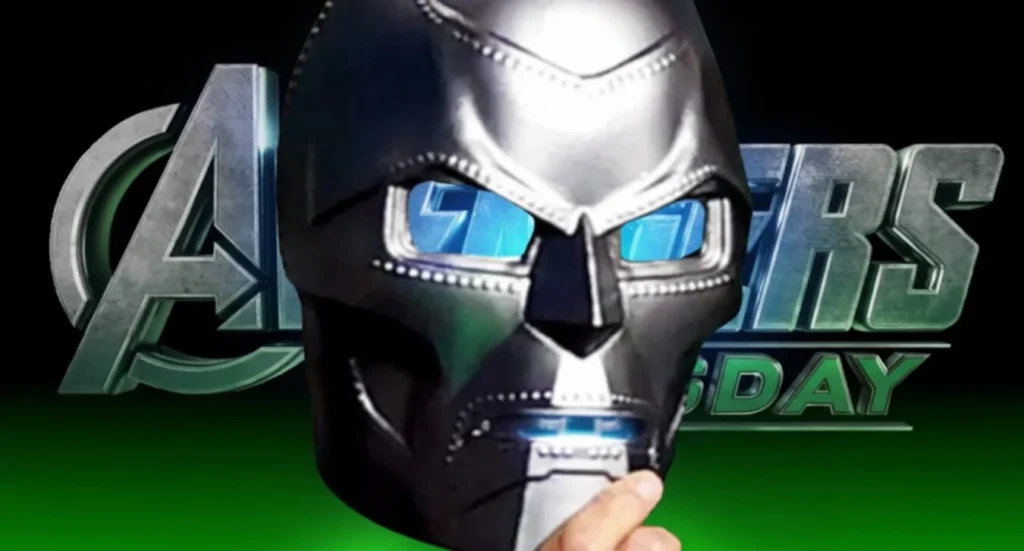
Marvel’s plan for the Avengers: Doomsday teaser campaign was unlike anything the MCU has done before. Rather than debuting a trailer online via official channels, the studio opted for a theater-exclusive rollout tied to screenings of Avatar: Fire and Ash.
The idea was unique: produce four different teaser trailers, each playing exclusively in theaters for one week before being replaced with the next. This strategy aimed to encourage repeat visits to cinemas and build in-person excitement, harkening back to a time when movie trailers were premiere events in their own right.
The first teaser was scheduled for December 18–19, 2025, aligning with the opening of Avatar: Fire and Ash. Subsequent weekly teasers would then roll out through early January 2026.
But here’s the twist: despite these efforts to keep the teasers exclusive to theaters, three of the four trailers have reportedly leaked online in low quality, circulating on social platforms and sparking massive fan speculation.
What the Leaks Reveal and What They Don’t
The leaked footage varies in quality, but it has given the online community plenty to talk about:
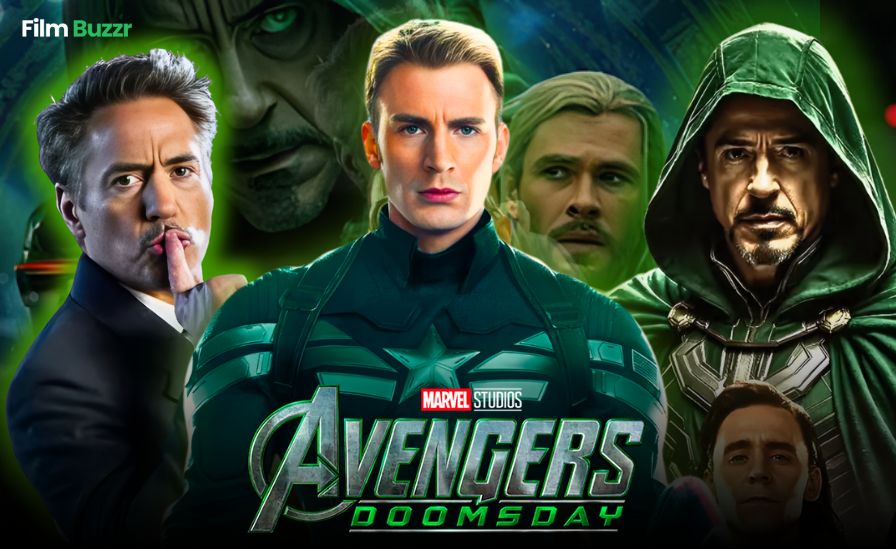
- One of the leaked teasers reportedly shows Chris Evans’ Captain America, possibly returning as Steve Rogers, even holding a baby in a domestic scene — a moment that sparked both nostalgia and questions about where the story is heading.
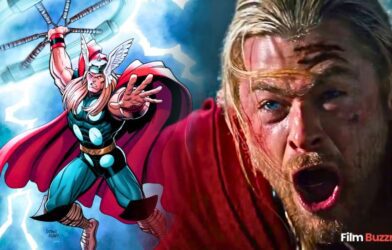
- Rumors suggest Thor (Chris Hemsworth) also appears briefly in leaked clips, adding to the buzz that Doomsday is leaning into classic team dynamics.
- Despite these sparks of excitement, much of the leaked footage is grainy, incomplete, or mislabeled, leading to confusion and mixed reactions among fans.
Because these leaks hit before any official online release, many Marvel viewers are reacting strongly — not always positively. For some, the unexpected glimpses are exciting. For others, the leaks have muddied the marketing narrative and undercut the impact Marvel hoped to build with its innovative release plan.
Where Marvel’s Marketing May Have Faltered
While the idea of theatrical-only teasers was ambitious, several challenges have emerged:
1. Leaks Undercut the ‘Event’ Factor
With high-quality leaks circulating online ahead of schedule, the exclusive magic of seeing the teaser in theaters has been diluted. Clips that fans share are often low-quality, missing context or full sequences, leading to misinformation and misguided hype.
Rather than building suspense, leaks have created fragmented expectations and confusion, diminishing the intended theatrical wow factor.
2. Fan Expectations vs. Reality
Marvel fans today are incredibly vocal and deeply engaged. A leaked trailer that doesn’t satisfy curiosity — or that reveals fragments without full context — can spark frustration. Some viewers expected a more cinematic, polished teaser but were met with blurry or incomplete footage.
In many cases, these leaks fuel speculation without confirmation, which may overshadow the official trailers when they eventually drop.
3. Overcomplicated Strategy
Releasing multiple distinct teasers across several weeks is bold — but without a solid online presence to support it, the strategy relies heavily on physical attendance. In an era where fans expect trailers to be instantly accessible, this approach may have been too niche.
Marvel’s theatrical trailer plan might have worked better alongside a coordinated digital release, capitalizing on both cinema exclusivity and social media buzz.
What This Means for the MCU’s Biggest Event Film
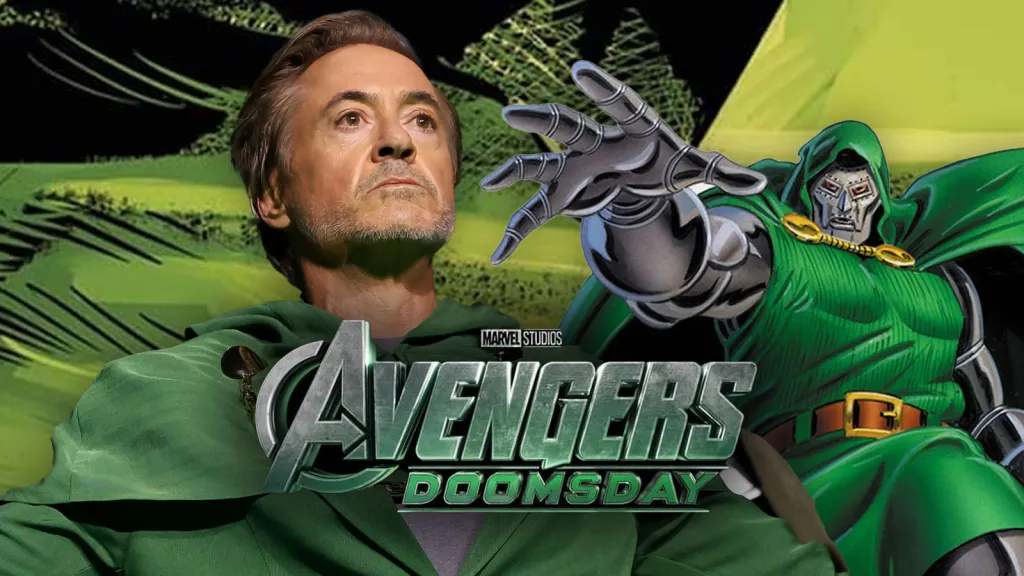
Avengers: Doomsday is no ordinary superhero movie. It’s the fifth Avengers film, a cornerstone of Phase Six of the MCU, and a precursor to the massive Avengers: Secret Wars finale in 2027.
The stakes are high:
- Key characters like Captain America, Thor, Ant-Man, and more are expected to return.
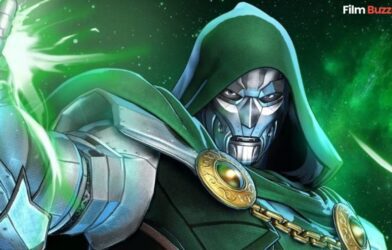
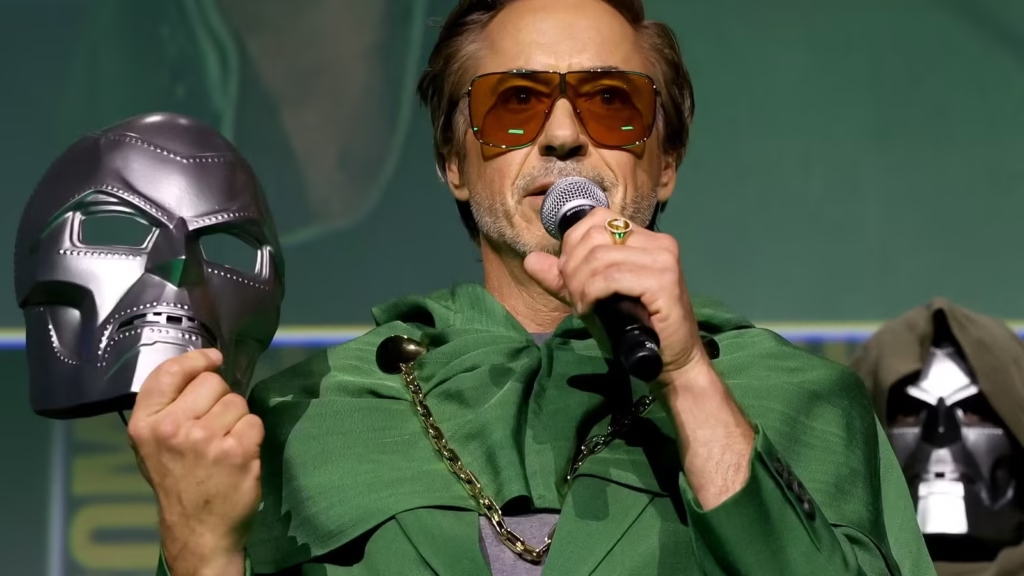
- Robert Downey Jr. is confirmed to appear not as Iron Man but as Doctor Doom, who is positioned as the primary antagonist.
- The film is slated to premiere on December 18, 2026, almost exactly a year after the trailer launch strategy began.
With such an ambitious narrative and ensemble cast, the marketing campaign needed to match that scale. Instead, the leaks have become the story’s headline — not necessarily in a good way.
Fan Reactions: Hope, Hype, and Head Scratching
Social media platforms are packed with fan reactions, ranging from excitement about classic heroes returning to disappointment in the quality of leaked footage. Some fans have theorized that Marvel might be intentionally letting leaks circulate as a guerrilla marketing tactic, building chatter without revealing official footage. Others see it as a misstep.
Regardless of interpretation, the fact that these leaked clips are trending worldwide makes it clear that the film has massive public interest. But interest doesn’t always translate to positive engagement — especially when leaks overshadow curated messaging.
Can Marvel Recover the Narrative?
All is not lost for Marvel Studios.
Once the official teasers start rolling out in theaters and eventually online, the narrative can reset. A well-paced campaign that balances exclusive cinema moments with widespread digital accessibility could still win back fans’ attention.
Marvel could:
- Release high-quality versions of leaked material as official teasers
- Clarify story elements to curb misinformation
- Use behind-the-scenes content to reinvigorate excitement
If done right, Marvel’s event could still become one of its most memorable marketing stories — just not in the way initially imagined.
Did the Leak Actually Help or Hurt?
The leaked Avengers: Doomsday teaser phenomenon reveals how high fan expectations have become and how delicate modern film marketing is. While leaks can generate buzz, they can also distort a carefully planned rollout, especially for a movie of this scale.
As we await official release dates, trailers, and full marketing content, one thing is clear: fans are watching, talking, and theorizing like never before — but Marvel might need to course-correct to ensure that Doomsday’s marketing supports the emotional and narrative weight of the film itself.