

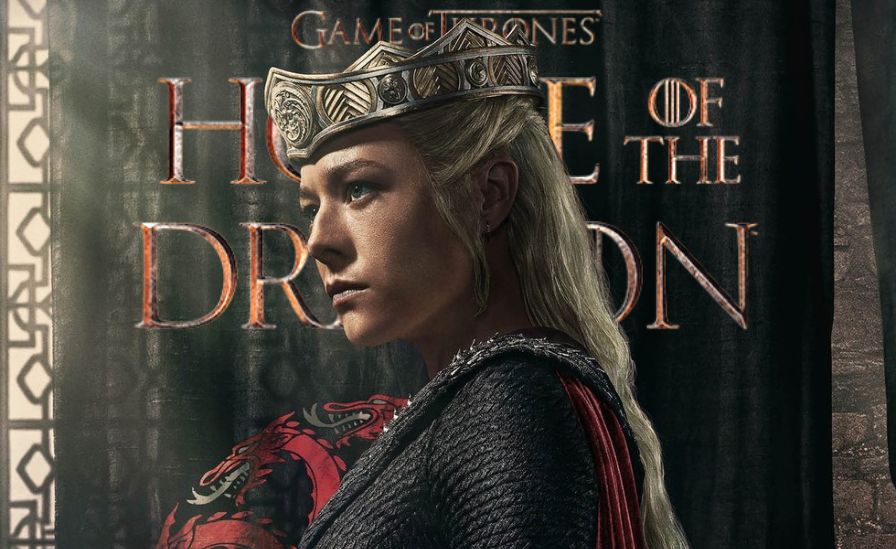

As Westeros once again prepares for war, House of the Dragon Season 3 arrives with sky-high expectations. After two intense seasons filled with political tension, dragon warfare, and tragic betrayals, fans are asking the big question: Is House of the Dragon Season 3 finally better than Game of Thrones?
With the Dance of the Dragons entering its darkest phase, Season 3 doesn’t just continue the story—it reshapes it. From brutal character arcs to cinematic-scale battles, this season proves that the Targaryen civil war is no longer just a prequel, but a worthy successor to HBO’s legendary fantasy saga.
A Story That Embraces Darkness
Unlike Game of Thrones, which slowly built its world over multiple seasons, House of the Dragon Season 3 wastes no time. The story dives straight into chaos. Alliances crumble, loyalties shift, and every episode carries consequences that feel permanent.
What truly sets this season apart is its emotional weight. Deaths are not shock value moments—they linger. Characters are forced to live with the cost of their decisions, making the narrative feel more mature and emotionally grounded than many later Game of Thrones seasons.
Season 3 also abandons the idea of clear heroes and villains. Every side believes they are right, and that moral grayness makes the conflict far more engaging.
Character Development at Its Strongest
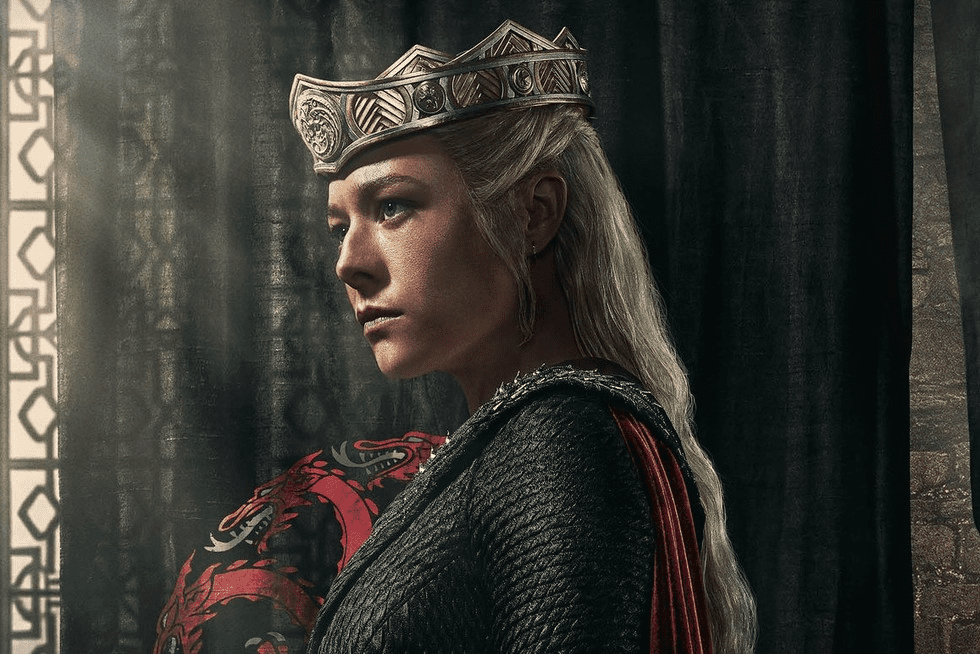
One area where House of the Dragon Season 3 arguably surpasses Game of Thrones is character consistency.
- Rhaenyra Targaryen evolves from a wronged queen into a hardened ruler, shaped by loss and rage.
- Daemon Targaryen remains unpredictable, but Season 3 finally exposes his inner conflict rather than glorifying his violence.
- Alicent Hightower steps out of the shadow of duty and becomes one of the most psychologically complex characters in the series.
Unlike late Game of Thrones seasons, where characters often acted out of convenience, Season 3 stays true to established motivations. Every betrayal, alliance, and confrontation feels earned.
Dragon Action That Feels Meaningful

Yes, Season 3 delivers more dragons, but what makes it special is how carefully they’re used.
Each dragon battle feels terrifying rather than flashy. The show emphasizes the destruction dragons bring—not just to armies, but to cities, families, and entire bloodlines. This grounded approach makes every confrontation intense and emotionally charged.
Visually, the dragons look better than ever. Their movements feel heavier, more animalistic, and far more dangerous than anything seen in Game of Thrones.
Political Drama Done Right
At its core, House of the Dragon Season 3 remains a political drama, and this is where it truly shines.
Secret councils, whispered conspiracies, and power plays dominate the season. Unlike Game of Thrones’ later reliance on spectacle, this season understands that dialogue can be just as powerful as battle.
The writing trusts the audience. Conversations are layered, subtle, and filled with subtext—rewarding viewers who pay close attention.
Cinematography and Production Quality
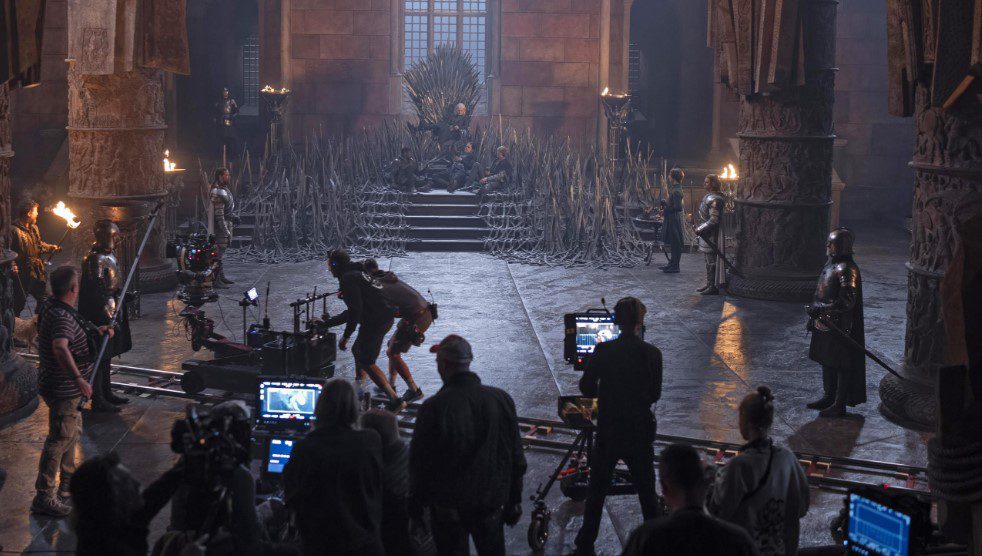
From dimly lit throne rooms to burning battlefields, Season 3 is visually stunning. The cinematography maintains a dark, grounded tone that perfectly matches the story’s emotional heaviness.
The production design deserves special praise. Every costume, weapon, and castle reinforces the idea that Westeros is tearing itself apart from within.
Compared to early Game of Thrones, the scale is similar—but the polish is noticeably higher.
How It Compares to Game of Thrones
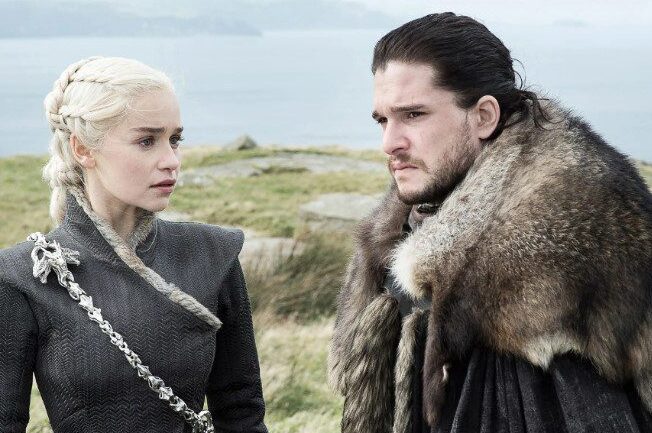
So, is House of the Dragon Season 3 better than Game of Thrones?
The honest answer: In some ways, yes.
While Game of Thrones had broader world-building and more diverse storylines, House of the Dragon benefits from a tighter focus. It knows exactly what story it wants to tell and never loses sight of it.
Most importantly, Season 3 avoids the biggest mistake of late Game of Thrones—rushed storytelling. Every arc unfolds naturally, even when it hurts.
Final Verdict
House of the Dragon Season 3 is bold, brutal, and emotionally devastating—in the best possible way. It doesn’t rely on nostalgia or shock twists. Instead, it builds tension through strong writing, powerful performances, and meaningful consequences.
For many fans, this season proves that the Game of Thrones universe is not only alive—but thriving.
If the series maintains this level of storytelling, House of the Dragon may eventually stand above its legendary predecessor.