

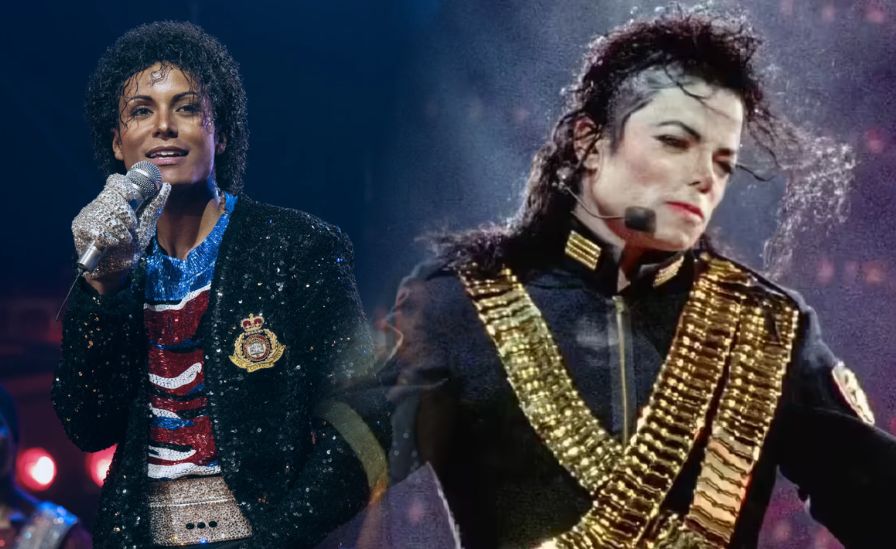

The Michael Jackson biopic has achieved remarkable commercial success, earning approximately $100 million domestically during its opening weekend and surpassing $200 million globally. The film boasts an impressive 97% audience score on Rotten Tomatoes, making it one of the year’s most popular releases among general audiences.
However, this overwhelming audience approval masks deeper critical divisions. The movie has drawn significant scrutiny from critics who question its handling of serious allegations against the pop star, resulting in a starkly different 38% Rotten Tomatoes critic score.
Director Dan Reed Criticizes the Michael Jackson Movie’s Narrative Choices
Dan Reed, director of the 2019 documentary Leaving Neverland, has openly criticized how the Michael Jackson biopic controversy allegations against Jackson. In an interview with The Hollywood Reporter, Reed questioned the film’s approach to telling Jackson’s story while omitting crucial context about his legal controversies.
Reed specifically addressed comments made by director Antoine Fuqua regarding accusations of gold-digging, calling the critique ironic given the financial incentives of the film itself.
What the Allegations Against Michael Jackson Involved

Leaving Neverland features testimonies from Wade Robson and James Safechuck, who detail allegations of childhood sexual abuse. Reed emphasized that these accusers have not profited from their claims, contrary to suggestions from the film’s supporters.
An original cut of the Michael Jackson biopic included a scene depicting a 1993 police raid at Neverland Ranch following allegations involving 13-year-old Jordan Chandler. This sequence was removed due to legal settlement restrictions preventing the case’s depiction in films.
The Disconnect Between Critics and Audiences
Why Audiences Embrace the Film
Reed suggests that general audiences prefer to enjoy Jackson’s music without confronting uncomfortable truths about his personal conduct. Following Leaving Neverland‘s release, Jackson’s streaming numbers actually increased, and the Broadway musical MJ launched successfully, indicating audiences’ desire to separate the artist from allegations.
According to Reed, online debunking videos provided audiences with psychological permission to ignore the documentary’s claims and enjoy Jackson’s catalog without guilt.
Critical Perspective on Accountability
Critics argue that the biopic’s refusal to address allegations represents a significant narrative failure. The 38% critic score reflects professional reviewers’ concerns about the film’s selective storytelling and its implications for how audiences understand Jackson’s legacy.
Reed contends that acknowledging both Jackson’s entertainment value and the serious allegations against him are not mutually exclusive. He emphasizes that many abuse survivors choose not to perpetuate cycles of harm, making Jackson’s actions a conscious choice rather than an inevitable consequence.
The Michael Jackson Estate’s Influence on Public Narrative
Reed points to the Jackson estate’s substantial resources and aggressive legal representation as factors influencing media coverage and public perception. He suggests that financial incentives connected to Jackson’s intellectual property may encourage media figures to downplay critical perspectives.
The fear surrounding potential litigation from the Jackson estate, according to Reed, creates a chilling effect on criticism and honest discussion about Jackson’s documented behavior.
Looking Ahead: Potential Sequel Complications
Actor Jaafar Jackson, who portrays his uncle in the biopic, has expressed interest in reprising the role for a potential sequel. Producer Graham King has mentioned considering ideas for a follow-up film, though nothing official has been announced.
Any future Michael Jackson project would face greater difficulty avoiding the allegations that plagued the original biopic, potentially forcing filmmakers to confront the controversies more directly.
The Broader Conversation About Art and Accountability
The Michael Jackson biopic controversy allegations reflects larger cultural questions about how society should engage with the work of artists accused of serious misconduct. Reed’s perspective emphasizes that enjoying someone’s artistic contributions and acknowledging their harmful actions are compatible positions.
The stark contrast between the film’s audience and critical reception demonstrates how differently these audiences weigh entertainment value against moral considerations when evaluating Jackson’s legacy.