

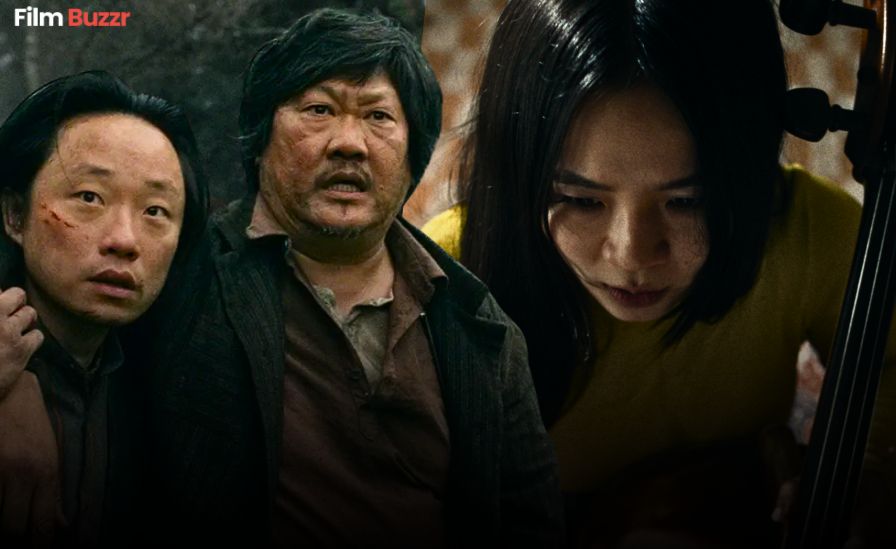

Hey FilmBuzzr Fam! Rock Springs is the kind of indie film that feels right at home at Sundance. It doesn’t chase spectacle or loud emotional beats. Instead, it leans into atmosphere, restraint, and subtle character work — sometimes to its advantage, and sometimes to its detriment.
The film aims for emotional authenticity rather than broad appeal, which makes it an interesting watch, even if it doesn’t fully come together as a complete experience.
A Story Rooted in Isolation and Unspoken Tension

At its core, Rock Springs is a character-driven drama focused on emotional distance, unresolved trauma, and the quiet weight people carry when they feel stuck — both physically and mentally.
Rather than relying on heavy exposition, the film lets silence do much of the work. Conversations are minimal, and much of the storytelling unfolds through body language, lingering shots, and moments that feel intentionally uncomfortable.
This approach will resonate with viewers who appreciate slow-burn storytelling, but it may frustrate those expecting a more traditionally structured narrative.
Strong Performances Carry the Film
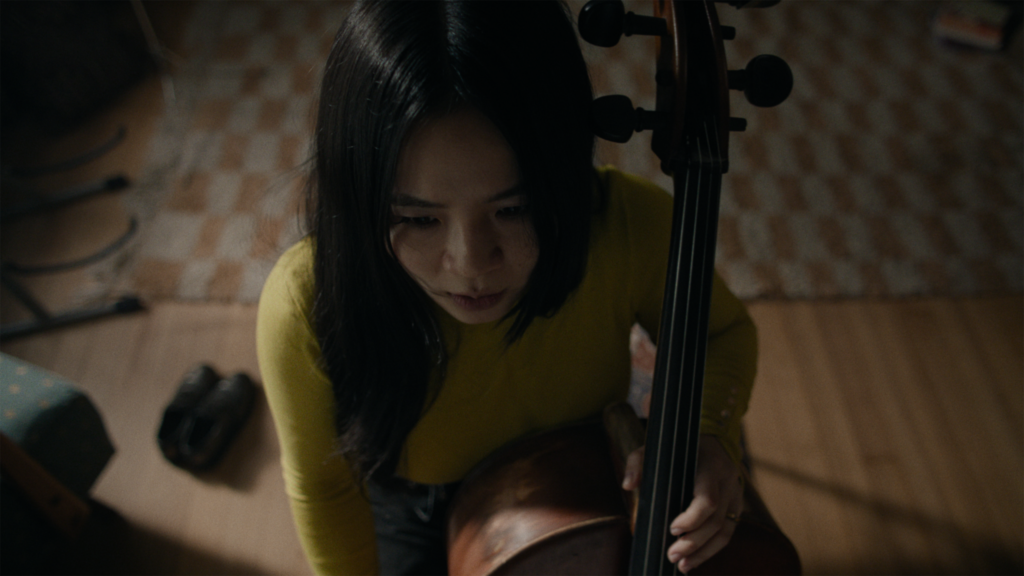
One of Rock Springs’ biggest strengths is its performances. The cast delivers grounded, believable portrayals that never feel forced or melodramatic. Even when the script holds back key emotional details, the actors communicate plenty through subtle expressions and restrained dialogue.
The lead performance, in particular, anchors the film. There’s a sense of emotional exhaustion beneath the surface that feels authentic — as if the character is constantly on the verge of saying something important, but never quite gets there.
Direction and Atmosphere Take Center Stage
Directorally, Rock Springs is more interested in mood than momentum. The pacing is deliberately slow, and scenes are allowed to breathe longer than most mainstream films would permit.
Cinematography plays a major role here. Wide, empty spaces and muted color palettes reinforce the film’s themes of isolation and emotional stagnation. The setting doesn’t just serve as a backdrop — it actively reflects the characters’ inner lives.
However, this stylistic commitment sometimes works against the film. Certain scenes linger without adding new emotional insight, making parts of the runtime feel repetitive rather than meditative.
Where the Film Falls Short
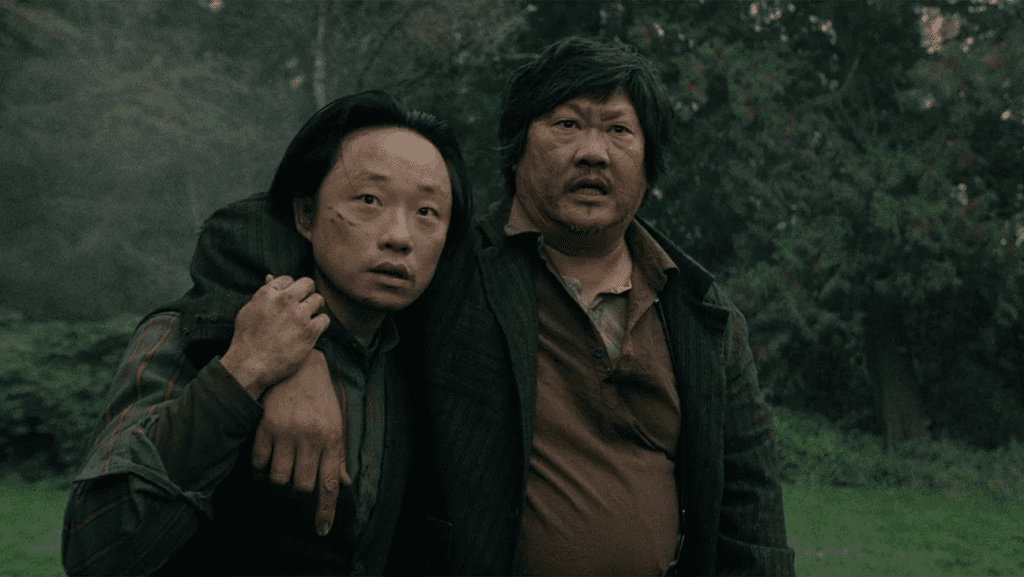
While Rock Springs succeeds in atmosphere, it struggles with narrative payoff. Several story threads are introduced but not fully explored, leaving the ending feeling more abrupt than impactful.
The film’s refusal to offer clear answers will appeal to some viewers, but others may find it emotionally unsatisfying. There’s a fine line between ambiguity and underdevelopment, and Rock Springs occasionally crosses it.
A Thoughtful but Uneven Indie Drama
Rock Springs isn’t a film designed to please everyone — and that’s clearly intentional. It prioritizes mood, performance, and quiet realism over plot-driven storytelling.
For fans of introspective indie cinema and Sundance-style dramas, it’s worth watching. Just don’t go in expecting dramatic twists or a neatly wrapped conclusion.
Rating: 3 out of 5
Stay tuned with Filmbuzzr!