
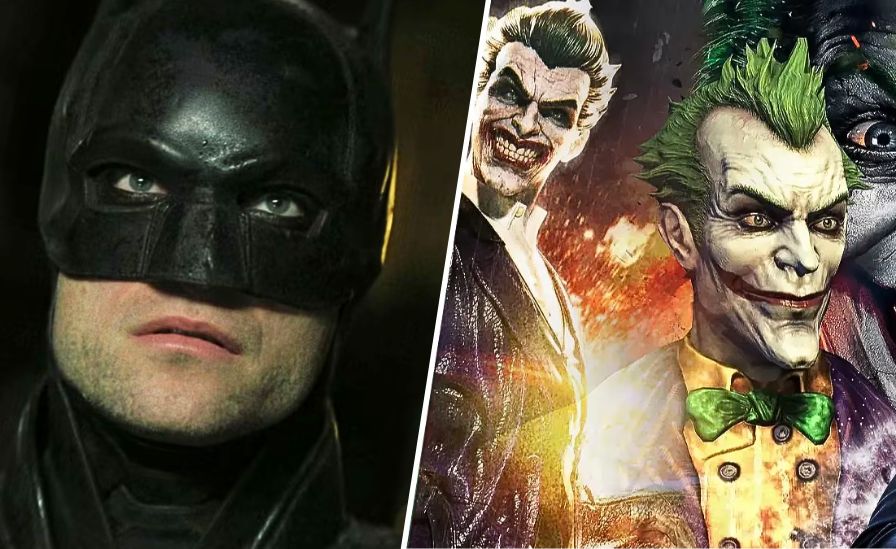

Vandal Savage Batman’s New Arch-Nemesis
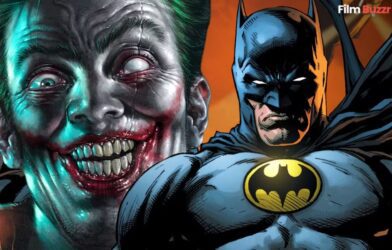
Batman’s rogues gallery is legendary. Decades of comics have populated Gotham City with murderers, madmen, and monsters that rival any villain roster in fiction. Yet for generations, one figure has loomed largest: the Joker. That dynamic is shifting in ways few saw coming.
The Clown Prince of Crime has defined Batman’s world through sheer unpredictability and moral absolutism. He represents chaos incarnate—a foil designed to test not just Batman’s physical prowess but his ethical boundaries. But what happens when that axis fundamentally changes? Writer Matt Fraction and artist Jorge Jiménez are exploring exactly that territory in their current Batman run, and the implications are genuinely seismic.
The Joker’s Unexpected Rehabilitation
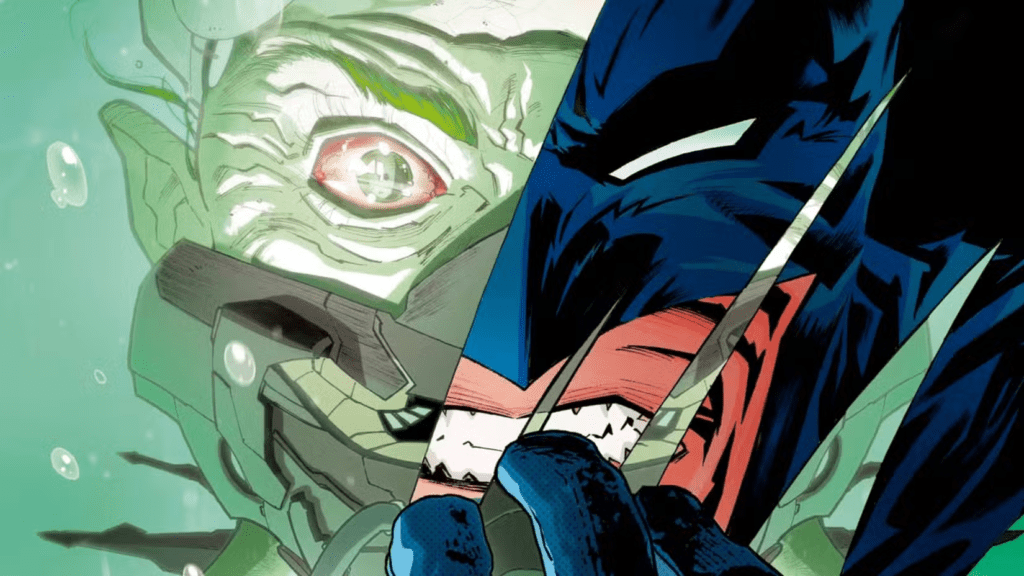
In the Prime DC universe, the Joker’s story has taken an unprecedented turn. Rather than facing Batman in yet another violent confrontation, the Clown Prince finds himself suspended in a rehabilitation apparatus called the Crown of Storms—a device created by Dr. Annika Zeller designed to regulate emotions and normalize psychological patterns. The premise is audacious: what if the Joker could actually be treated? What if sanity could be chemically induced?
This isn’t the first time comics have explored redemption or reformation narratives for Batman’s most notorious foe. Previous storylines have teased the possibility of change, compromise, or unexpected humanity. But the Crown of Storms feels definitively different. It’s not about Joker choosing redemption or experiencing a moment of conscience. It’s about forcible psychological intervention—removing the fundamental chaos that defines his character.
The ramifications ripple outward immediately. If the Joker is no longer a viable threat, who assumes his position as Gotham’s supreme villain? The answer, at least in Fraction’s vision, is strikingly unconventional.
Enter Vandal Savage: Gotham’s Immortal Tyrant
Vandal Savage is not a new character to DC Comics. The immortal despot has existed for millennia, accumulating power, knowledge, and enemies across centuries. But he’s rarely occupied the central position he now claims in the Batman mythos. As Gotham City Police Commissioner, Savage holds institutional authority alongside his personal resources and ancient cunning.
This positioning is crucial. The Joker operated outside systems—he was chaos that Batman had to contain within an established order. Vandal Savage corrupts the order itself. When your antagonist controls the police force, the rules fundamentally change. Batman can no longer rely on traditional law enforcement. He can’t trust institutional allies. The game becomes exponentially more dangerous.
In Batman #10, Savage demonstrates the depths of his villainy when he stands amid the burning ruins of Wayne Manor, laughing with genuine malice as flames consume the symbol of Batman’s civilian identity. It’s simultaneously Joker-adjacent—unhinged, theatrical, cruel—while feeling distinctly Savage. Where the Joker’s madness stems from chaos, Savage’s cruelty emerges from calculated dominion. He’s not laughing because he’s insane. He’s laughing because he’s winning.
Operation Peregrine and the Bat-Family Under Siege
The threat Savage poses extends beyond Batman himself. Throughout Fraction’s run, the GCPD—now weaponized under Savage’s command—has orchestrated Operation Peregrine, a coordinated assault against the entire Bat-Family. Wayne Manor’s destruction isn’t accidental collateral damage. It’s strategic devastation designed to demoralize, isolate, and weaken.
Savage’s TUCO squads (paramilitary units serving his vision) represent institutionalized villainy. They’re not random thugs or costumed rogues acting on impulse. They’re organized, disciplined, and deployed with precision. Batman has faced organized crime before, but never with an immortal tactical genius controlling both Gotham’s criminal underworld and its official police apparatus simultaneously.
Why This Shift Actually Works
On the surface, replacing the Joker with any villain seems sacrilege. The Clown Prince is Batman’s defining nemesis—the relationship between them has become mythological in scope. Yet Fraction’s approach highlights something important: Batman needs evolution. The character hasn’t fundamentally changed since his 1939 debut, but his world has.
Modern Batman stories increasingly grapple with systemic corruption, institutional failure, and the limits of individual heroism. A villain operating entirely outside the system (the Joker) feels anachronistic compared to one who corrupts it from within (Vandal Savage). The Commissioner isn’t spray-painting joke messages on crime scenes. He’s dismantling the infrastructure Batman relies upon.
Additionally, Vandal Savage’s immortality introduces thematic depth the Joker cannot match. This is a villain who has witnessed empires rise and fall, who understands power across centuries. His war with Batman isn’t personal madness—it’s the calculated strategy of someone who has outmaneuvered civilizations. When he faces Batman, he brings the weight of literal history.
The Wider Rogues Gallery Question
Batman’s supporting villains have always benefited from the Joker’s overwhelming shadow. Figures like Mr. Freeze brought sympathetic tragedy, Riddler brought intellectual challenge, and Scarecrow brought psychological terror. Yet none could compete for primary antagonist status while the Joker remained ascendant.
With Joker sidelined—at least temporarily—space opens for the rogues gallery to expand in unexpected directions. Could Vandal Savage’s reign elevate other villains? Might we see unexpected alliances or rivalries among Gotham’s criminals as power structures shift? The narrative potential explodes exponentially.
What Comes Next for Batman
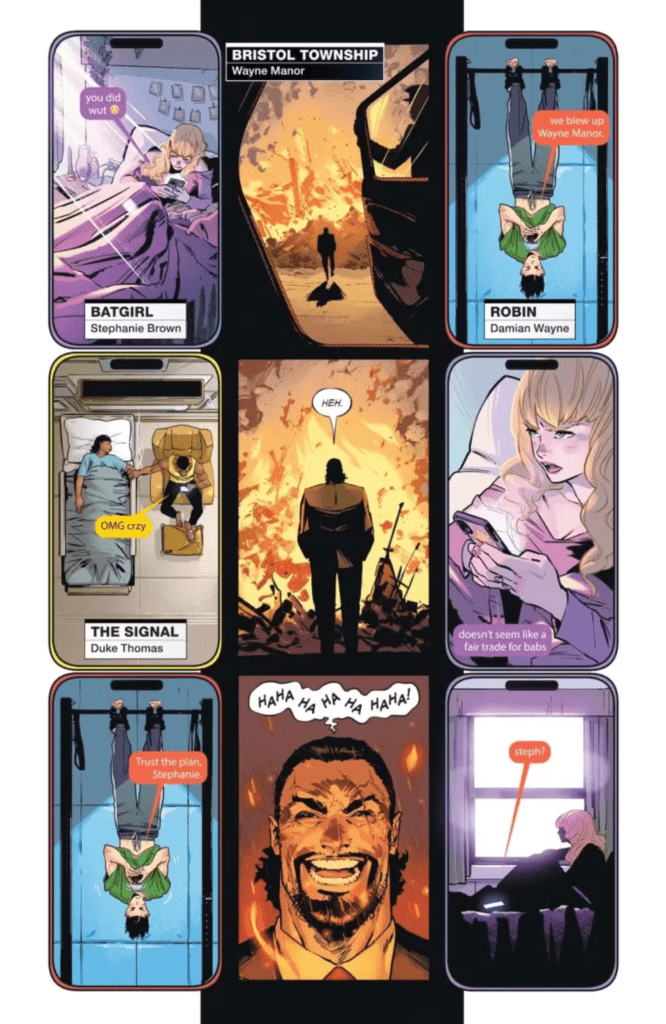
Batman #10’s solicitation promises explosive confrontation. Batman doesn’t accept defeat gracefully, and Vandal Savage’s assault has crossed fundamental lines. Wayne Manor’s destruction targets not just property but identity. Batman will respond with the full arsenal of his intellect and experience.
The real question isn’t whether Batman will survive this arc. He will. The question is what Gotham City looks like afterward. Has Vandal Savage genuinely replaced the Joker in the rogues hierarchy, or is this temporary displacement? Will the Crown of Storms successfully rehabilitate the Clown Prince, or will he inevitably return? And most intriguingly: what does Batman’s world look like when its defining villain is no longer chaos but ancient, calculating evil?
Fraction and Jiménez are experimenting with Batman mythology in ways that feel both respectful to legacy and genuinely innovative. Whether Vandal Savage permanently ascends to primary antagonist status or this proves a temporary narrative pivot, the creative willingness to challenge fundamental assumptions about Batman’s rogues gallery deserves recognition. In a character whose publication history spans over eighty years, genuine surprises are rare. This one feels earned.