

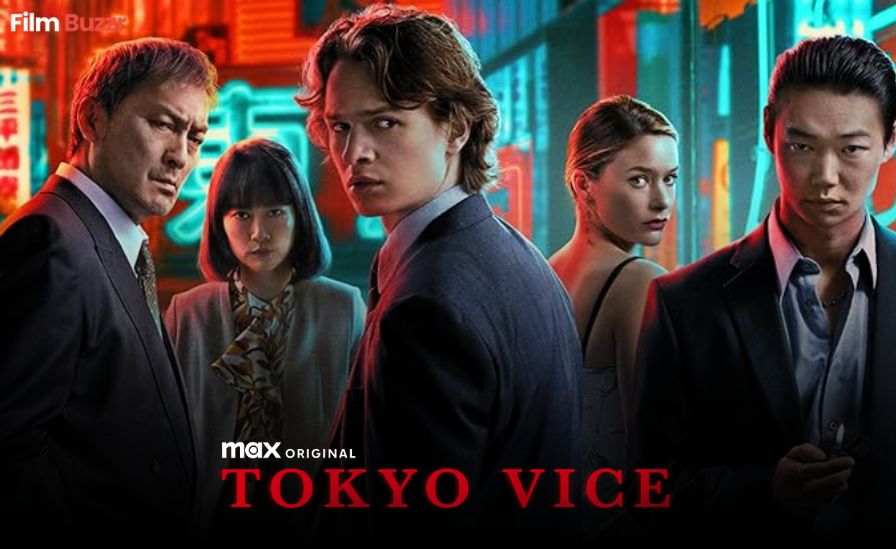

Hey Filmbuzzr Fam! Tokyo Vice returned with its second and final season, and once again proved that it is one of the most overlooked crime dramas of the decade. Set against the neon underbelly of 1990s Tokyo, Season 2 pushes deeper into the world of organized crime, corruption, ambition, and betrayal, delivering a gripping follow-up that deserved far more attention than it received.
Where most crime shows today rely on loud action and fast editing, Tokyo Vice relies on slow-burn tension, cultural nuance, and character-driven storytelling. The result is a season that feels grounded, mature, and dangerously immersive.
Story Overview: The Stakes Finally Become Real
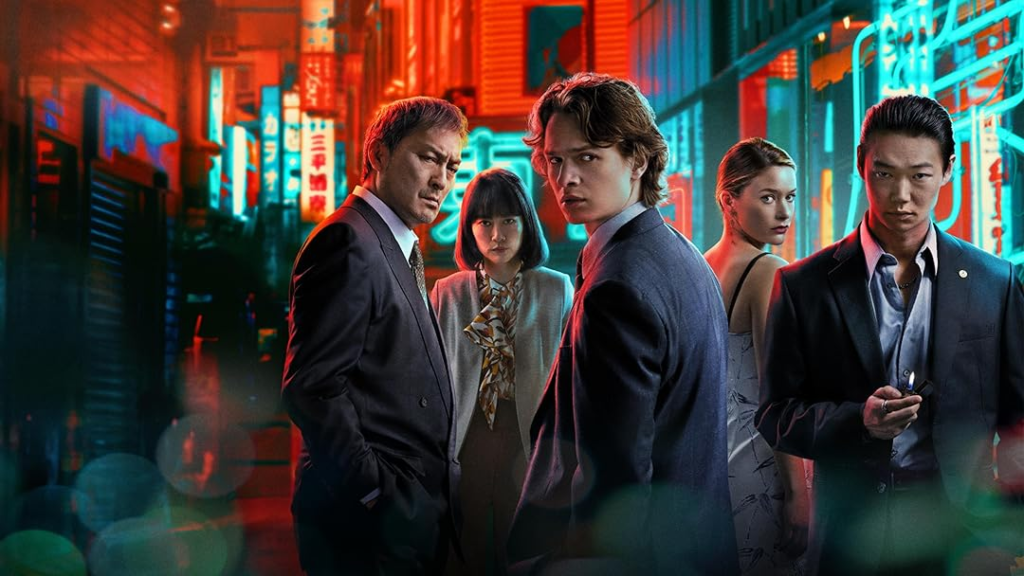
Season 1 introduced us to Jake Adelstein (Ansel Elgort), an American journalist navigating Japan’s strict media system while trying to expose the Yakuza network. Season 2 raises the stakes significantly.
Jake finds himself more deeply entangled in rival Yakuza factions led by the organized & cold Sato and the ambitious Ishida group. As Jake investigates power shifts and gang wars, loyalties break, friendships fracture, and the consequences finally hit personal level.
The season’s storyline blends:
- Power struggles
- Attempted assassinations
- Media censorship
- Ethical journalism dilemmas
- Survival in the underworld
It’s slower than most American crime shows, but that’s exactly why it stands out.
Character Development: The True Heart of Season 2
One of the biggest strengths of Season 2 is the subtle yet impactful character growth. Every major player has an arc worth following.
Jake Adelstein becomes less naive and more hardened.
He no longer feels like an ambitious outsider — he feels like someone trapped in a world he willingly stepped into.
Hiroto Katagiri (Ken Watanabe) remains the moral backbone.
His storyline about balancing duty, family, and survival gives the show its emotional weight. Watanabe’s performance is easily awards-worthy.
Samantha Porter (Rachel Keller) continues her nightclub ambitions.
Her storyline in Season 2 is riskier and more emotionally complex, highlighting how ambition in Tokyo comes with a price.
Sato (Show Kasamatsu) steals the spotlight again.
His quiet intensity, loyalty struggles, and internal conflict with the Yakuza system make him arguably the best character in the entire show.
Cinematography & Atmosphere: Tokyo Becomes a Character
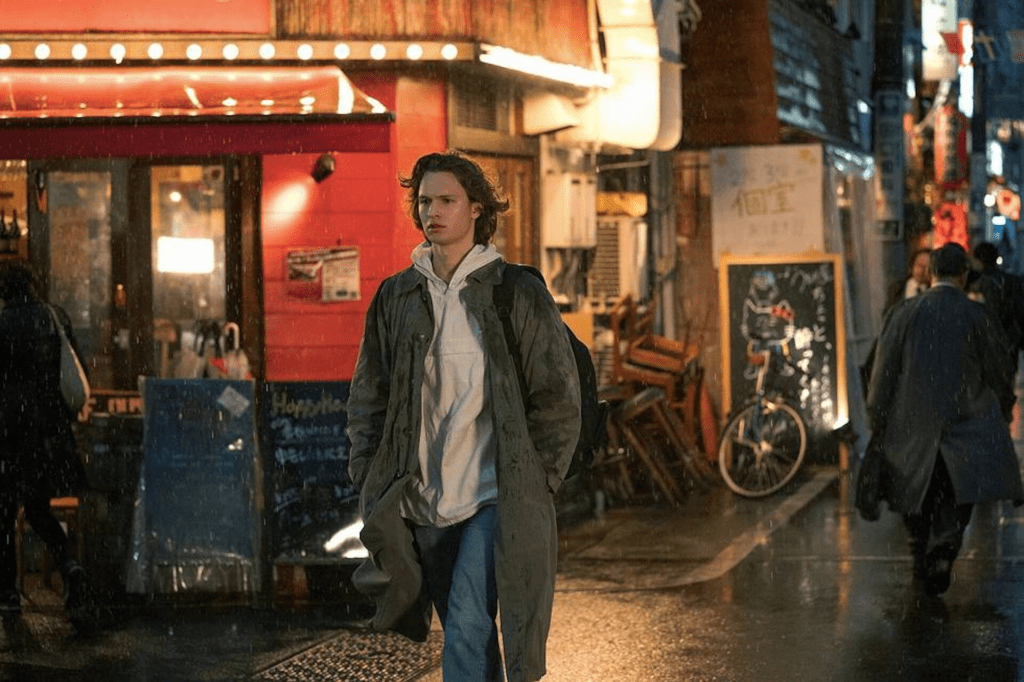
Tokyo Vice is shot like a noir film, but lit like a music video — and that’s not a criticism. The neon streets, smoke-filled bars, tatami rooms, and rainy alleyways create an atmospheric backdrop that few series can match today.
The cinematography captures:
Urban alienation
Quiet danger
Cultural elegance
Yakuza power tension
Tokyo isn’t just a setting — it’s the silent narrator of the story.
Pacing & Tone: Slow Burn, High Payoff
Tokyo Vice is not a quick-binge popcorn show. It’s patient, moody, and methodical.
Some viewers may wish for faster pacing, but fans of crime noir, journalism thrillers, and Yakuza dramas will appreciate its build-up and payoff.
Season 2 balances:
Investigation sequences
Political maneuvering
Yakuza confrontations
Journalistic ethics
Personal drama
By the final episodes, every thread feels interconnected, making the slow-burn storytelling worth it.
Accuracy & Cultural Confidence
Unlike many Western shows set in Japan, Tokyo Vice feels authentic. The use of Japanese language, cultural customs, honor systems, and journalism rules adds depth and realism.
It also avoids the “tourist outsider POV” that plagues many Western media portrayals of Japan. Instead, it respects the culture, while still showing its darker sides.
Final Season, Unfair Cancellation & Legacy
Season 2 was confirmed as the final season, which is frustrating because Tokyo Vice deserved at least 3–4 seasons. The cancellation feels premature, especially when cheaper, less ambitious shows get renewed.
Still, as a complete 2-season package, Tokyo Vice stands as:
One of the best Yakuza-based dramas in years
A masterclass in cultural crime storytelling
An underrated gem that fans will remember for a long time
If you loved Breaking Bad, Narcos, Gomorrah, or The Wire, Tokyo Vice sits comfortably in that tier — just quieter and more elegant.
Tokyo Vice Season 2 Review (Spoiler-Free)
Tokyo Vice Season 2 doubles down on atmosphere, depth, and tension. It’s an intelligent, stylish, and culturally rich crime thriller that refuses to spoon-feed its audience. Despite a quiet release and limited marketing push, it stands as one of HBO’s most refined dramas of the 2020s.
Rating: 9/10
Why Worth Watching: Authentic, tense, beautifully shot, unforgettable performances.
Biggest Weakness: Slow pace may not appeal to mainstream audiences.
Should You Watch It?
If you enjoy:
Crime dramas
Yakuza stories
Investigative journalism thrillers
Japanese media culture
Slow-burn suspense
Then Tokyo Vice is absolutely worth your time.