


JoJo’s Bizarre Adventure vs Dragon Ball: A New Era of Anime
Dragon Ball remains the quintessential anime for millennials and stands as a foundational pillar of the entire medium. The franchise reached its cultural peak during the Dragon Ball Z era, dominating the ’90s and 2000s as a battle shonen powerhouse. Its accessible power system, memorable characters, and unmatched legacy created a legacy few anime could touch.
However, while Dragon Ball Super brought the franchise back to form, a new generation of anime fans has embraced a different champion: JoJo’s Bizarre Adventure. Now streaming exclusively on Netflix, JoJo’s has become the modern phenomenon that challenges Dragon Ball’s dominance. With Steel Ball Run’s arrival, the series has achieved near-perfection—despite Netflix’s inconsistent episode release schedule.
Why JoJo’s Bizarre Adventure Offers a Different Form of Excellence

While JoJo’s Bizarre Adventure might seem like a Dragon Ball competitor, the two series are far from identical. Both manga debuted in Weekly Shonen Jump just years apart, yet JoJo’s emerged from the 1980s with a distinctly different aesthetic: beefier protagonists, more unhinged violence, and a revolutionary approach to anime storytelling.
David Production’s anime adaptation has remained faithful to creator Hirohiko Araki’s iconic style, maintaining stunning character designs from the original Phantom Blood arc through the controversial Stone Ocean reset. Now, with Steel Ball Run set in San Diego, the franchise continues to expand its global reach and cultural impact.
The Appeal of Continuity With Fresh Starts
Unlike Dragon Ball Z, which required newcomers to fill in gaps from the original series, JoJo’s Bizarre Adventure strategically launches new continuities. Stone Ocean introduced Part 6, technically creating a new timeline, yet characters like Diego Brando and Johnny Joestar intrigue viewers enough to explore previous parts. The series’ absurdist humor—like Pocoloco’s cow carcass surfing moment—creates curiosity that drives fans backward through the franchise.
JoJo’s Bizarre Adventure: Beyond Traditional Shonen Anime
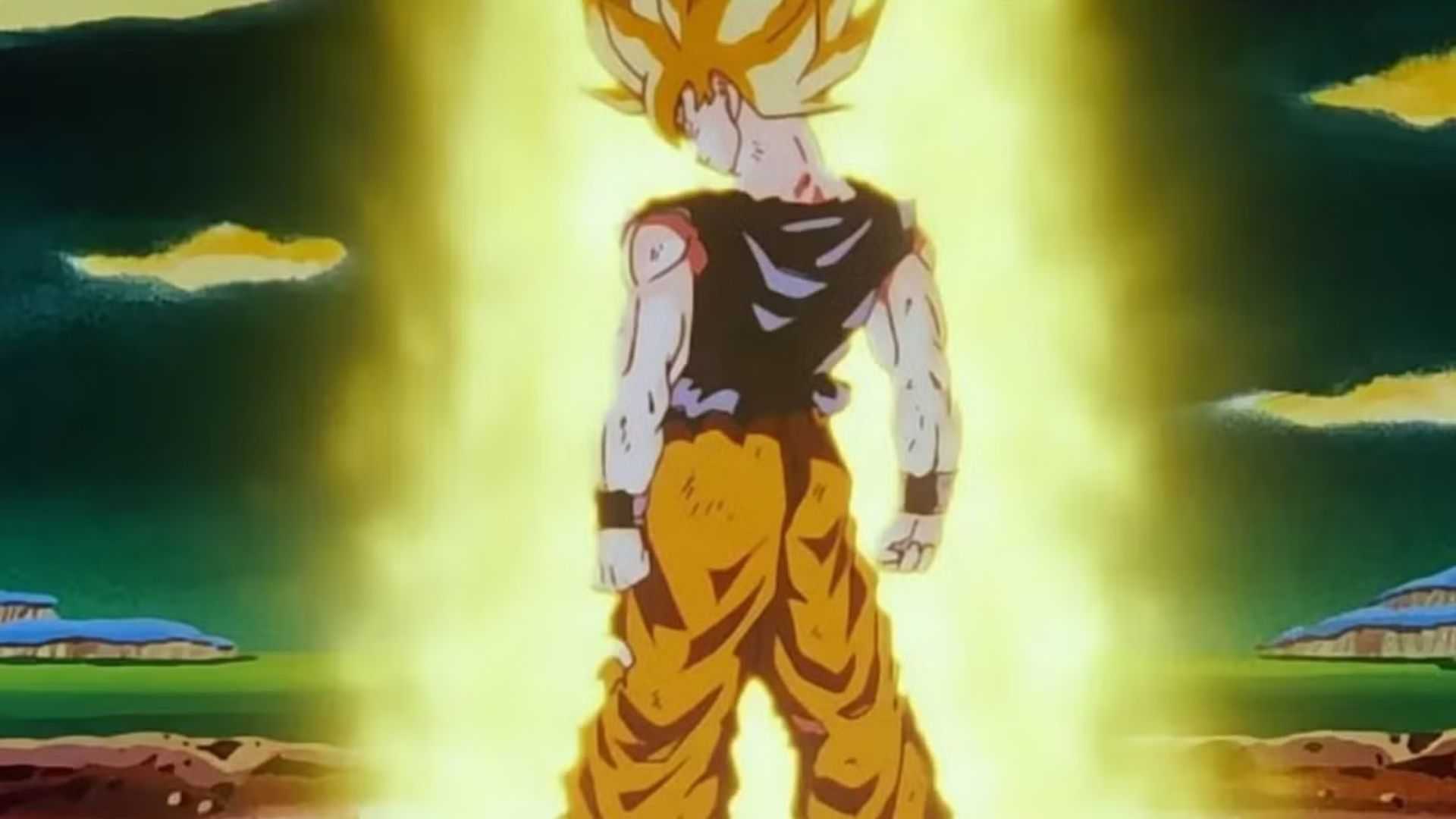
Dragon Ball revolutionized anime by embracing adult Goku’s antics, family dynamics, and increasingly powerful villains. Modern fans debate whether the Cell Saga or Frieza Saga represents the series’ peak, but all agree Dragon Ball defined the battle shonen genre.
JoJo’s Bizarre Adventure, created in 1987, started as traditional shonen but evolved into something entirely different. From Battle Tendency onward, the series absorbed mystery, thriller, and Western genres. Most significantly, JoJo’s transitioned from shonen to seinen manga, moving to Ultra Jump where mature audiences actively seek out monthly chapters.
The Stand System: Strategy Over Power Scaling
JoJo’s Bizarre Adventure’s greatest innovation is the Stand system. Rather than focusing on escalating power levels and flashy energy attacks like Dragon Ball, Stands represent unique manifestations of a character’s soul used in combat. This emphasis on strategy over raw might creates a fundamentally different thrill.
- Strategy-focused battle mechanics
- Creative Stand abilities providing endless novelty
- Character-driven conflicts over power scaling
- Comparable innovation to Hunter x Hunter’s Nen system
JoJo’s Bizarre Adventure shouldn’t be viewed as a correction to Dragon Ball, but rather as a glorious alternative that appeals to different sensibilities.
JoJo’s Bizarre Adventure Fandom: A Global Phenomenon
Dragon Ball’s influence remains immortal, yet anime audiences have proven they can embrace multiple franchises simultaneously. JoJo’s Bizarre Adventure has become an increasingly potent global presence through Gucci collaborations, Louvre exhibitions, and creator Araki’s mainstream recognition.
Beyond commercial success, JoJo’s fanbase has demonstrated extraordinary dedication. Steel Ball Run’s Netflix release in March 2026 generated unprecedented hype, but Netflix’s failure to provide a clear episode release roadmap shocked the fanbase. The community’s vocal response proved they wouldn’t tolerate the platform’s typical distribution strategy.
Fan Power and Industry Recognition
JoJo’s Bizarre Adventure fans made their voices heard, earning respect even from Dragon Ball enthusiasts. This mirrors the Dragon Ball fanbase’s rejection of Dragonball Evolution, which prompted creator Akira Toriyama to develop Dragon Ball Super as redemption. The anime industry increasingly recognizes that dedicated fanbases demand accountability and respect.
The Verdict: Both Franchises Deserve Recognition
Dragon Ball and JoJo’s Bizarre Adventure represent different eras and approaches to anime storytelling. Dragon Ball pioneered the battle shonen formula, while JoJo’s evolved beyond genre conventions into something uniquely creative. Rather than competition, these franchises demonstrate anime’s capacity to satisfy vastly different audiences and preferences.
Netflix’s commitment to JoJo’s Bizarre Adventure—from Stone Ocean through Steel Ball Run—positions the series as the streaming platform’s flagship anime. For fans seeking an alternative to Dragon Ball’s familiar formula, JoJo’s offers strategy, creativity, and genuine weirdness that has earned its near-perfect reputation among modern anime audiences.p