
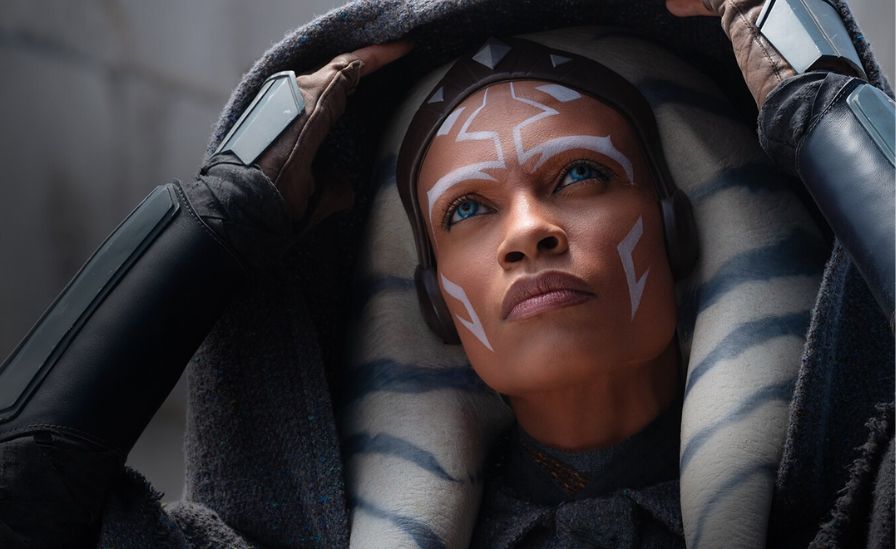

Ahsoka Tano Emerges as Star Wars’ Most Strategic Character
There’s a moment in every franchise’s evolution when you realize a character has transcended their original purpose. For Star Wars, that moment has arrived with Ahsoka Tano. What began in 2008 as a somewhat controversial addition—a teenage Padawan paired with Anakin Skywalker—has matured into something far more significant. The character didn’t just survive the fanbase’s skepticism; she thrived, becoming arguably the most consequential original creation in post-Skywalker Saga Star Wars storytelling.
The live-action debut of Ahsoka in 2023 confirmed what animation fans already knew: this character carries weight. Not the melodramatic kind, but the kind that comes from genuine narrative consequence and emotional investment. Now, as the franchise stands at a crossroads, Ahsoka finds herself positioned at the intersection of virtually every active storyline in the New Republic Era. That’s not accident. That’s architecture.
The Web of Connections That Bind the New Republic Era
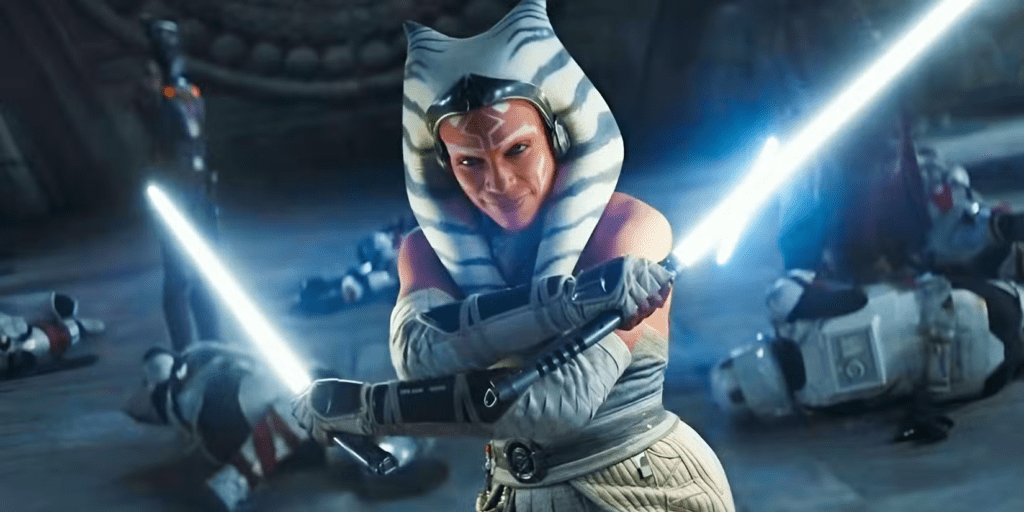
Start mapping out who knows whom in modern Star Wars, and a pattern emerges. Ahsoka doesn’t just have connections—she has bridges. These aren’t shallow cameos or obligatory mentions either. We’re talking about meaningful relationships forged through actual shared experiences across multiple timeline periods.
The Din Djarin and Grogu Link
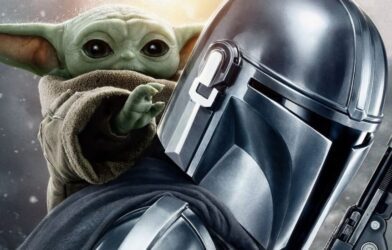
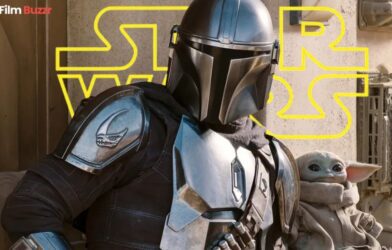
Din Djarin’s journey toward the New Republic didn’t happen in isolation. Ahsoka was instrumental in understanding Grogu’s background when the Mandalorian brought the child to her seeking answers. Those encounters set Grogu on the path that eventually led to Luke Skywalker. Now, with Din and Grogu officially working within New Republic structures as of The Mandalorian & Grogu, the potential for their reunion with Ahsoka feels inevitable. They’ve already proven themselves as capable allies. The narrative threads are there, waiting to be pulled.
Rotta the Hutt: A Callback with Real Stakes
One of the more fascinating developments in recent Star Wars storytelling is the return of Rotta the Hutt as a fully-grown adult in The Mandalorian & Grogu. For longtime viewers, that name carries weight—this is the infant Ahsoka rescued from kidnapping in the Clone Wars theatrical film. The fact that Rotta now shows interest in New Republic participation creates a natural reunion opportunity. It’s storytelling that respects its own history while pushing forward.
The Ghost Crew and Extended Network
Hera Syndulla, Sabine Wren, Ezra Bridger, and Zeb Orellios weren’t random additions to Ahsoka’s live-action series. They represent years of shared rebellion against tyranny. Add in Carson Teva of the Adelphi Rangers, plus her documented history with Luke Skywalker, Bo-Katan Kryze, and her early work as Fulcrum for the Rebellion, and you’re looking at a character who connects to virtually every functional hero in the New Republic timeline. No other living character in this era can claim that level of network density.
Why Ahsoka Is the Perfect Anchor for the Crossover Universe
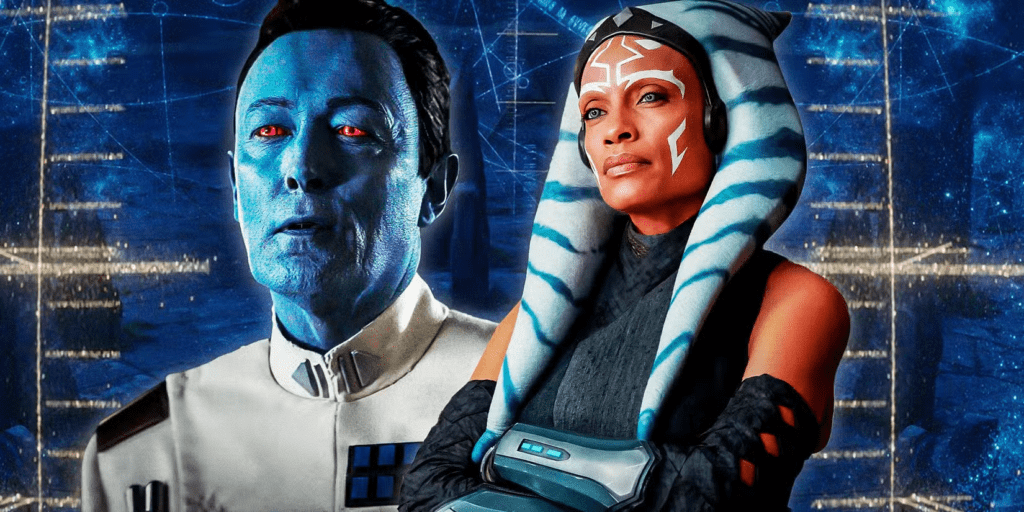
Dave Filoni’s announced New Republic crossover film has generated considerable speculation about how multiple storylines will converge. The obvious antagonist appears to be Grand Admiral Thrawn, given his extragalactic return and the Imperial Resurgence narrative that’s been building. But antagonist isn’t the real puzzle—protagonist is.
How do you bring together Din Djarin, Grogu, Hera, Ezra, Sabine, Zeb, and the countless other heroes scattered across the New Republic without it feeling forced? The answer isn’t a MacGuffin. It’s a person. It’s Ahsoka.
She’s the only character with credible, meaningful history with all these people. More importantly, she’s earned their trust across multiple eras. When a crossover film needs to unite its cast, you don’t force them together through contrived circumstances. You bring in someone they’d actually follow. Someone they’ve bled alongside. That’s Ahsoka’s role in the larger ecosystem.
The Dave Filoni Factor and What It Means
Understanding Ahsoka’s future requires understanding Dave Filoni’s position within Lucasfilm. He’s not just a producer or a director anymore—he’s one of the chief architects of Star Wars’ creative direction. Filoni created Ahsoka (alongside George Lucas), nurtured her through Clone Wars animation, developed her story in Rebels, and shepherded her live-action introduction. This isn’t a character that happened to land with a creator who respects her. This is a character that exists because of his vision.
With Filoni elevated to leadership, the question isn’t whether Ahsoka will become more central to Star Wars. It’s how central she’ll become. Her season two, expected in early 2027, is likely just the beginning. The trajectory points toward something larger—a theatrical presence that brings her journey into focus on the biggest possible platform.
From Padawan to Franchise Cornerstone
Ahsoka’s evolution over eighteen years represents something rare in franchise storytelling: actual character development that respects audience intelligence. She wasn’t perfect as a teenager. She made mistakes that cost lives. She learned, suffered, questioned, and eventually found her own path. That kind of authentic character work doesn’t happen by accident. It happens when someone cares enough to invest years developing a person rather than just a property.
The live-action Ahsoka series proved that mainstream audiences don’t just accept this character—they’re invested in her. They want more of her story. They want to see her interactions with other heroes. The viewership and critical reception validated what animation fans have known for years: Ahsoka Tano is a character worth building around.
What This Means for Star Wars’ Future Direction
If you’re looking for a sign of where Star Wars is heading, look at Ahsoka. She represents a philosophy of storytelling that values continuity, character arcs that span years, and narrative payoffs that respect audience memory. She’s the opposite of standalone content that ignores everything that came before.
The fact that she’s positioned as the connective tissue across multiple eras and character groups suggests that Filoli and Lucasfilm are leaning toward interconnected storytelling. The days of isolated character studies set in the Star Wars universe may be giving way to something more ambitious: a genuinely woven tapestry where meeting Ahsoka means something because of who she is and what she’s done.
With season two on the horizon and a crossover film that practically demands her presence, Ahsoka Tano isn’t just primed for bigger roles. She’s been positioned as the character most capable of unifying Star Wars‘ fragmented present into a coherent future. That’s a massive responsibility. And based on everything we’ve seen, she’s more than earned it.