

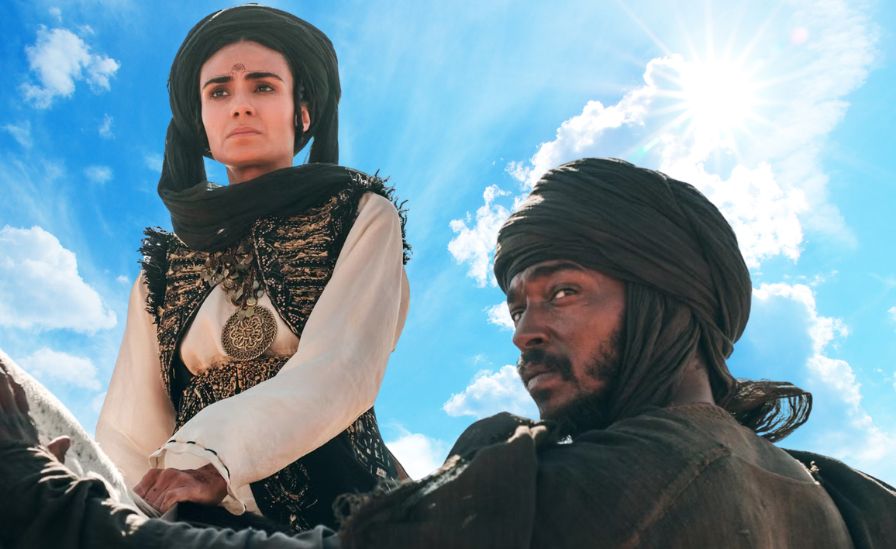

When Desert Warrior entered production, expectations were sky-high. This English-language period epic represented a major moment for Saudi Arabian cinema, backed by a substantial $150 million budget and helmed by an experienced Hollywood director. With globally recognized stars in key roles, the film was positioned as a watershed moment for the region’s film industry. However, after more than four years in post-production, the final product arrived in US theaters with minimal marketing—a telling sign of what was to come.
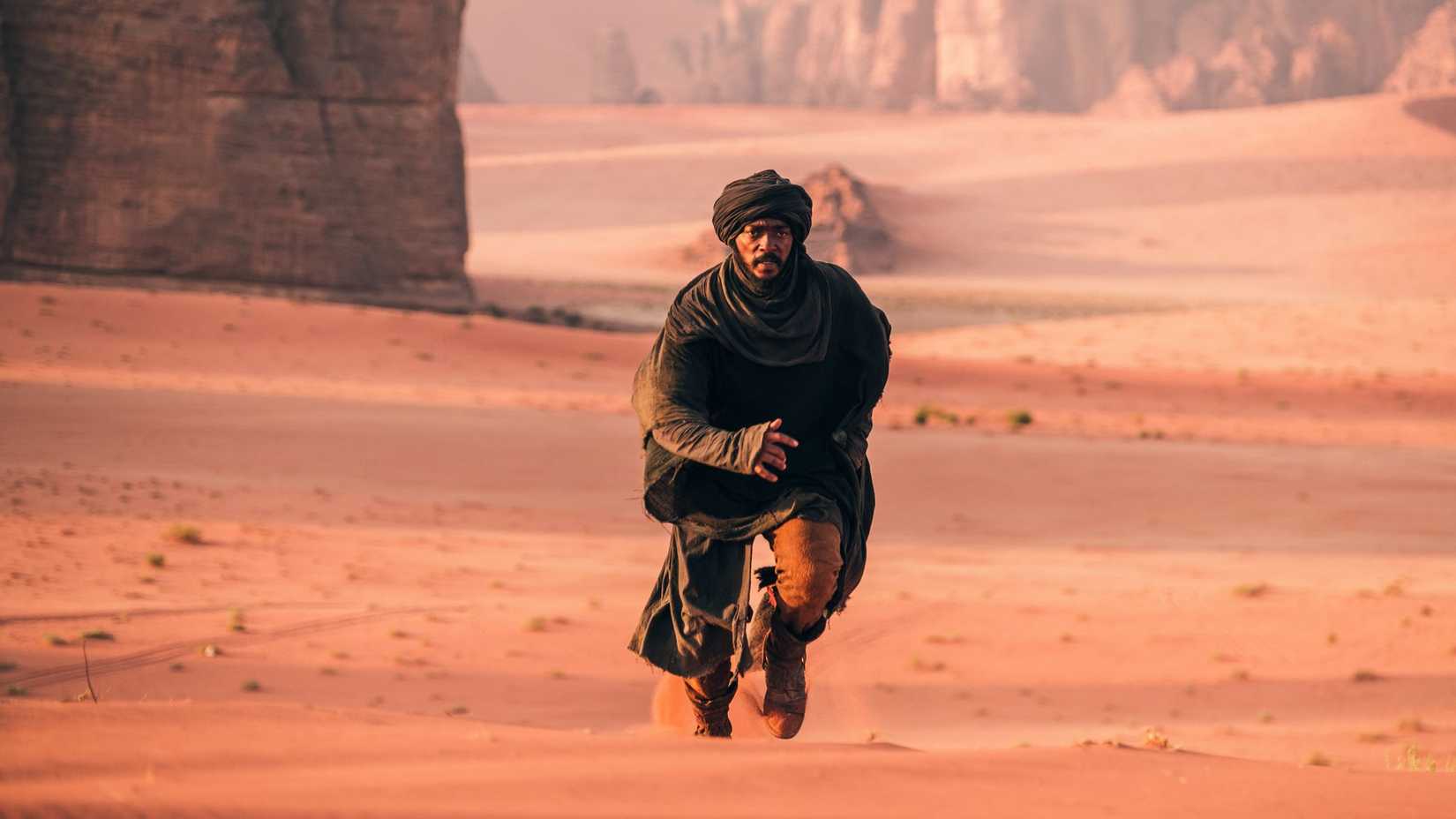
A Beautiful Backdrop Can’t Save an Awkward Story
While Desert Warrior showcases stunning cinematography of the Arabian desert landscape, the film struggles with fundamental storytelling and pacing issues. Set 1500 years ago during a conflict between pre-Islamic Arabian tribes and Iran’s Sassanid Empire, the narrative follows Princess Hind and her father King Al-Numan as they flee Emperor Kirsa II’s forces across the desert. When they encounter a mysterious bandit willing to help them for gold, their encounter sets off a chain of events that threatens to unite—or destroy—the Arabian tribes.
The premise contains the seeds of a compelling epic. Director Rupert Wyatt clearly aimed for the mythic grandeur of classic Westerns, drawing visual parallels between desert rock formations and the American frontier. Anthony Mackie’s bandit character carries echoes of the archetypal drifter antihero. On paper, this approach could have worked brilliantly.
Poor Execution Undermines the Desert Warrior’s Potential
Unfortunately, the execution stumbles at nearly every turn. The performances lack the emotional weight needed to engage viewers, though it remains unclear whether to attribute this to the actors or the script itself. Despite compelling character motivations on the page, the dialogue and narrative feel remarkably flat and disconnected. The pacing between scenes feels stilted and awkward, preventing any real momentum from building.
The editing presents the most glaring technical problem throughout Desert Warrior. Action sequences are cut so aggressively that viewers struggle to follow the choreography or understand spatial relationships. Multiple re-edits during post-production—evidently a necessity given the film’s extended timeline—are painfully apparent in the final cut. This over-editing directly undermines what should have been the film’s strongest sequences.
The Battle of Dhi Qar: Glimmers of What Could Have Been
The climactic Battle of Dhi Qar sequence demonstrates genuine ambition, utilizing thousands of real extras to bring an ancient conflict to life. This centerpiece clearly represented what excited the filmmaking team most, and momentary flashes of creative direction shine through. The scale and logistics of mounting such a sequence are genuinely impressive.
Yet even this showcase suffers from the same editorial problems plaguing the rest of the film. Frenetic cutting prevents viewers from appreciating the combat choreography or the massive effort invested in the sequence. What could have been a thrilling, memorable climax instead feels muddled and difficult to follow—a particularly frustrating outcome given the resources devoted to it.
An Expensive Disappointment
Desert Warrior represents a significant missed opportunity. While not a complete disaster, the film delivers precisely what its producers likely hoped to avoid: a mostly forgettable, largely boring experience despite its massive budget and production scale. The beautiful cinematography and ambitious battle sequence provide occasional moments of interest, but they cannot overcome the fundamental issues with pacing, editing, and emotional resonance that plague the entire experience.
For audiences hoping to discover an exciting new entry into the epic adventure genre, Desert Warrior ultimately fails to justify the time investment required to sit through its runtime. The $150 million spent on this project might have been better allocated toward a screenplay revision and more careful editorial control.