

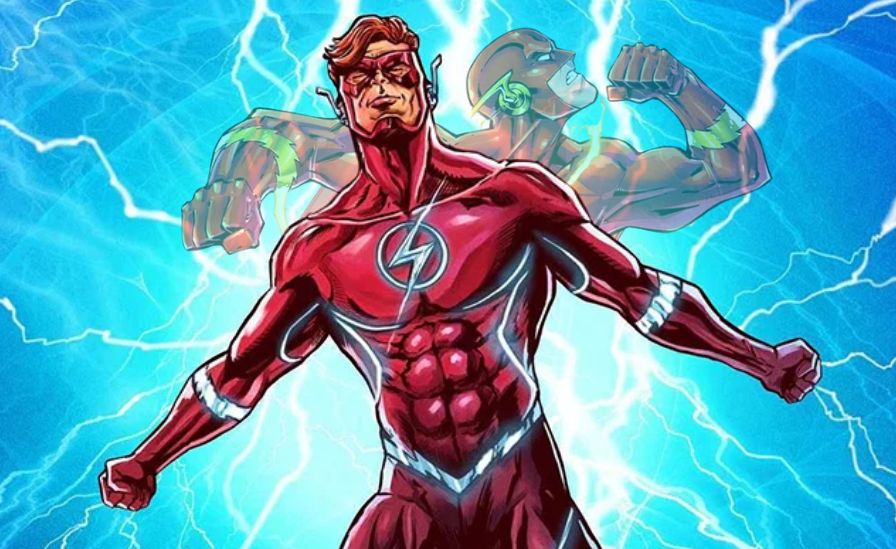

Wally West Depowered: DC’s Boldest Flash Gambit Yet
Speed is identity. For Wally West, who has spent years as DC’s fastest hero and the heart of the Flash legacy, losing access to the Speed Force doesn’t just remove his abilities—it fundamentally redefines who he is. That’s precisely what DC is about to do in Flash #40, arriving December 23, 2026, with writer Ryan North steering the narrative toward uncharted territory.
The depowering isn’t some temporary inconvenience. This marks the third major power shift in as many years for the character, suggesting DC is deliberately testing how a hero functions when stripped of the very essence that made them legendary. More intriguingly, the timing is catastrophic. Wally has discovered what he believes is a world-ending threat—one invisible to everyone except those connected to the Speed Force. Losing his powers right now means losing his ability to perceive the danger. It’s a setup ripe for narrative tension, psychological complexity, and the kind of character examination that separates good superhero comics from genuinely memorable ones.
The Power Progression That Led Here
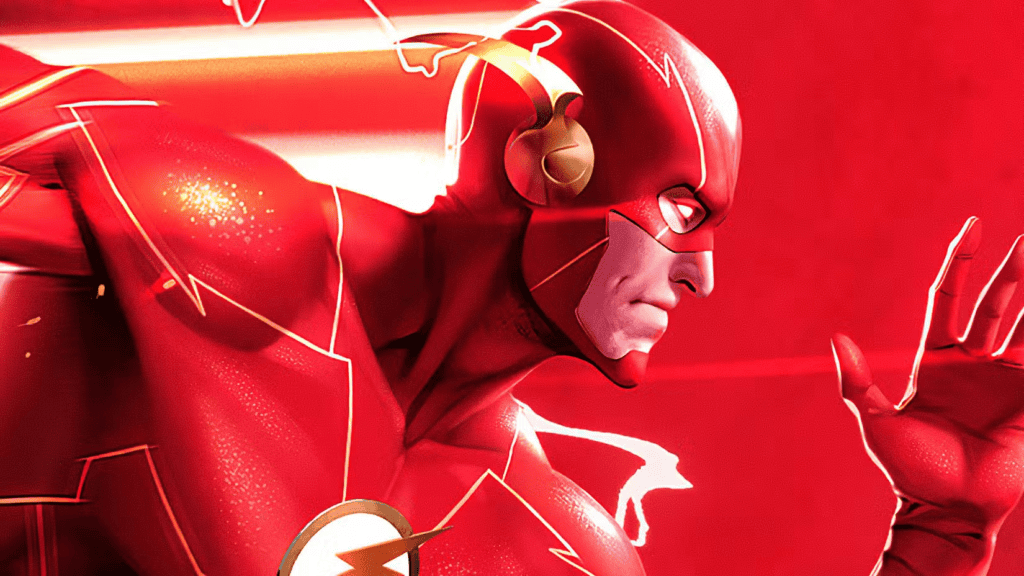
Understanding Wally’s depowering requires context on how DC has rebuilt his abilities over the past few years. The Flash has traditionally possessed a staggering arsenal: super-speed, phasing through solid matter, time travel, rapid healing, thermokinetic body control, and accelerated information processing that grants near-genius comprehension of virtually any subject. Few heroes in the DC Universe boast such versatility.
But recently, DC shifted the focus. Wally developed the Sidestep ability, which granted him access to alternate planes of reality—a power that fundamentally altered how he interacted with his universe. That wasn’t enough. Next came Flash Forward, a prophetic power born from hyperspeed data collection. By moving through Central City at maximum velocity, Wally absorbed enough information to perceive causal patterns and glimpse future events.
Flash Forward was powerful. Transformative, even. Wally used it to eliminate crime from Central City entirely, then expanded his surveillance network to Metropolis and Star City—much to the fury of Green Arrow, whose city’s guardian felt violated by the constant monitoring and questioned the ethical implications of such power.
The Breakdown Begins
Cracks appeared quickly. During a recent mission, Wally failed to prevent a terrorist attack on three bridges despite arresting the three perpetrators beforehand. Stranger still: the attackers were inexplicably replaced by new individuals, suggesting a conspiracy operating on a level Wally couldn’t fully comprehend even with Flash Forward active. That replacement pattern will serve as the catalyst for Flash #40’s central conflict.
Depowered but Not Defeated: The West Family Steps Up

Here’s where DC shifts the narrative genre entirely. This isn’t a story about the Fastest Man Alive using speed to solve problems. This is a heist story. A mystery story. A family drama where ordinary people (and semi-powered teenagers) must compensate for one man’s lost abilities.
Wally won’t be working alone. His wife, Linda Park-West—a reporter with investigative instincts and real-world problem-solving skills—becomes essential. Their children represent the new generation of the Flash legacy: Jai (Surge), who draws superstrength from the Speed Force, and Irey (Thunderheart), one of DC’s fastest speedsters. Neither possesses their father’s experience or versatility, making them powerful but decidedly amateur heroes thrust into a conspiracy that threatens civilization.
North’s writing direction seems deliberately designed to explore vulnerability. Without speed, Wally is forced into a position of dependence. He must convince his family not just to help, but to believe him—a crucial distinction. There’s a built-in question: Is Wally right about the threat, or has his years of surveillance through Flash Forward created paranoia? Has his evolution into a data-gathering prophet pushed him toward conspiratorial thinking?
The Family as Superteam
What’s genuinely interesting here is that DC is betting on character chemistry over raw power levels. Linda brings journalistic credibility and real-world knowledge. Irey has speed but needs guidance. Jai has strength but limited experience. Together, they must investigate a conspiracy that transcends their individual skill sets. This forces creative problem-solving—using reporter instincts, teenage speedster capability, superhuman strength, and a depowered Flash’s experience to uncover threats no single hero could address alone.
The Green Arrow Problem: Why The Justice League Is Turning Against Flash
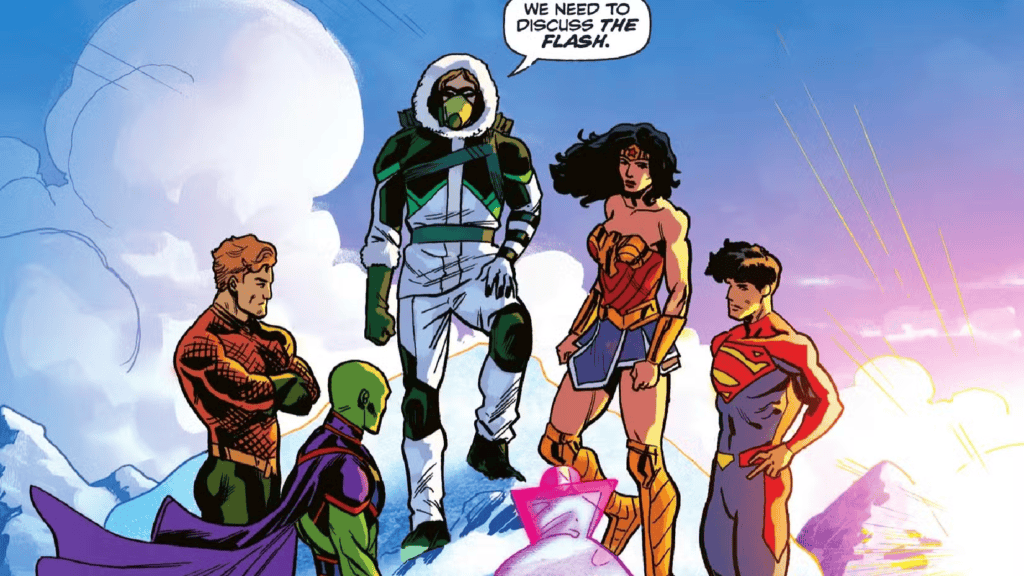
This depowering doesn’t happen in a vacuum. Oliver Queen—Green Arrow—has been gathering a Justice League roster specifically to counter Wally’s Flash Forward surveillance network. Queen views the constant monitoring of three major cities as a violation of civilian privacy and civil liberties. The bridge attacks, which Wally failed to prevent, have bolstered Queen’s argument that Flash Forward carries unintended consequences.
What makes this conflict compelling is that Queen isn’t wrong. DC has structured the narrative so both perspectives hold merit. Wally discovered a civilization-threatening conspiracy through surveillance most heroes would consider unethical. Green Arrow identifies a legitimate threat to individual freedom. One hero sees prevention through omniscience. The other sees tyranny through constant observation.
This sets up Flash #40’s stakes perfectly. Wally loses his powers right as his former allies question whether they should have stopped him earlier. The Justice League doesn’t just deprioritize the Flash—some members actively oppose him. His family becomes his only support network.
Why This Matters for DC’s Future
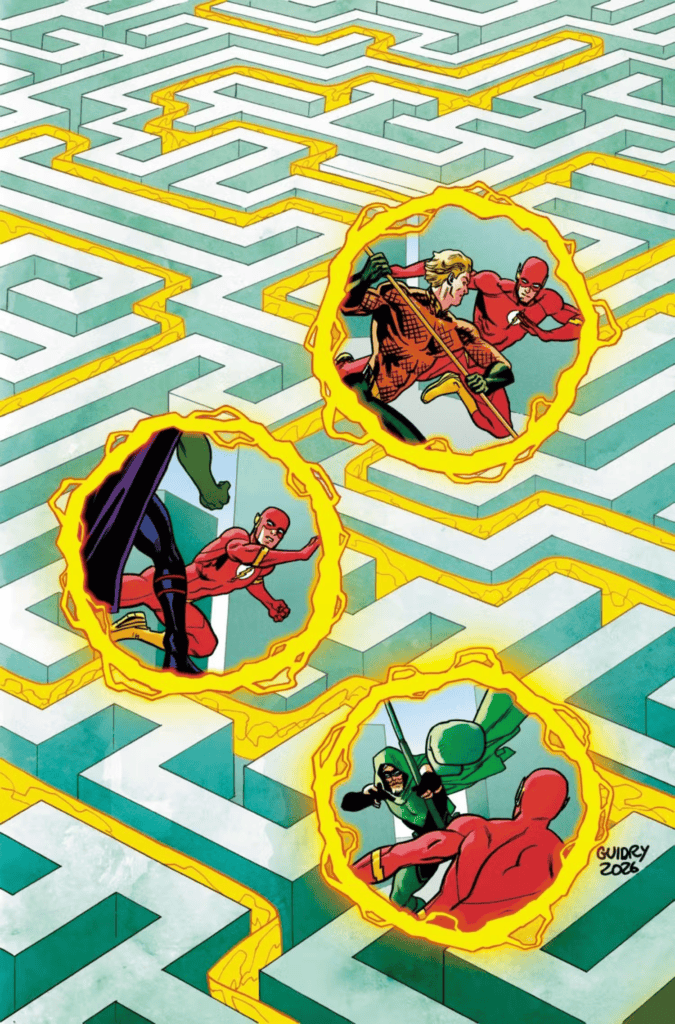
Three major power overhauls in three years suggests DC is deliberately deconstructing what it means to be the Flash. Each iteration—Sidestep, Flash Forward, depowering—strips away assumptions about superheroic capability and identity.
For readers, this creates unpredictability. You can’t assume Wally will speed through obstacles. You can’t expect him to perceive threats others miss. The character becomes genuinely vulnerable in ways he hasn’t been since his early days in the costume.
For the broader DC Universe, the depowering raises questions about surveillance, ethics, and whether superhuman ability should govern superhuman responsibility. It’s a reflection of real-world anxieties about monitoring, data collection, and the trade-offs between security and freedom. By stripping Wally of power, DC forces the conversation beyond abstract superheroics into tangible character drama.
Flash #40 arrives at a fascinating crossroads. A hero at his most powerful—capable of perceiving threats others couldn’t—discovers that power itself may have compromised him. Now, without that power, he must prove he was right all along. That’s not just a superhero story. That’s tragedy, redemption, and family all colliding at maximum velocity.